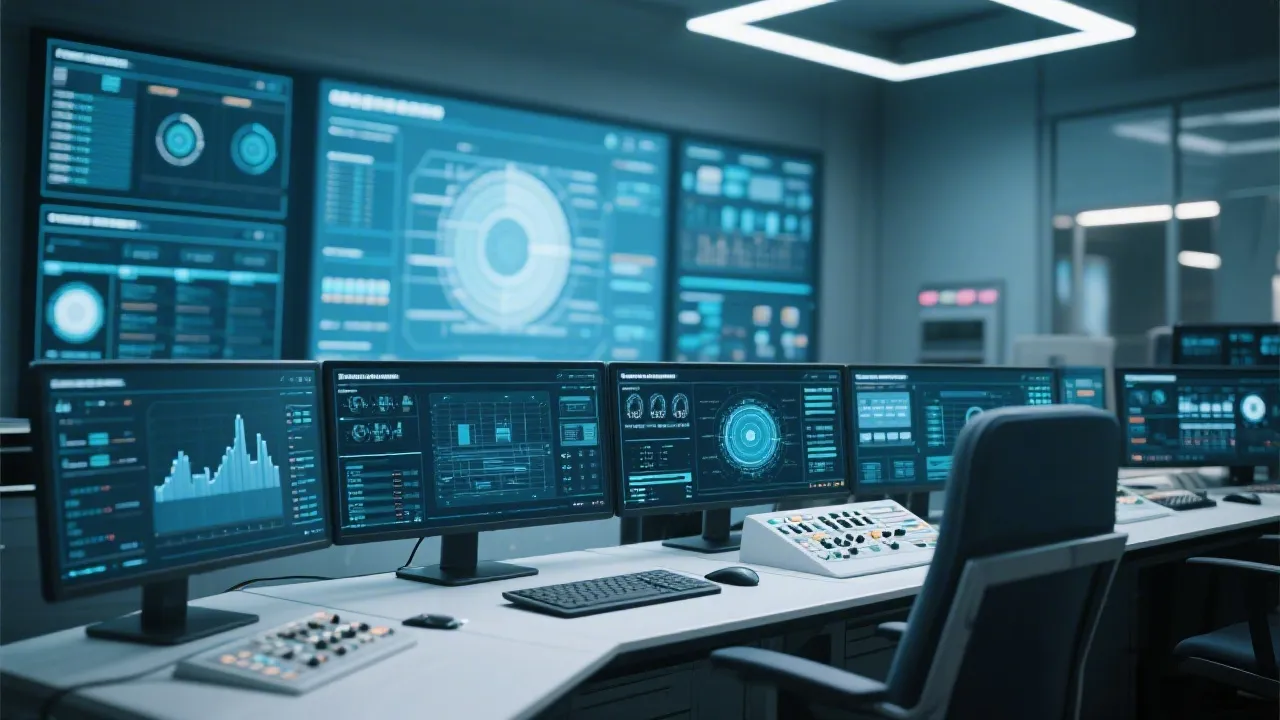
Understanding IHM SCADA Systems
IHM SCADA systems revolutionize industrial automation, offering robust solutions for process monitoring and control. These advanced systems integrate human-machine interfaces (HMI) with supervisory control and data acquisition (SCADA) technology to enhance operational efficiency. Originating in industries like manufacturing and utilities, IHM SCADA provides real-time data analysis, system monitoring, and automated alerts, ensuring seamless plant operation.
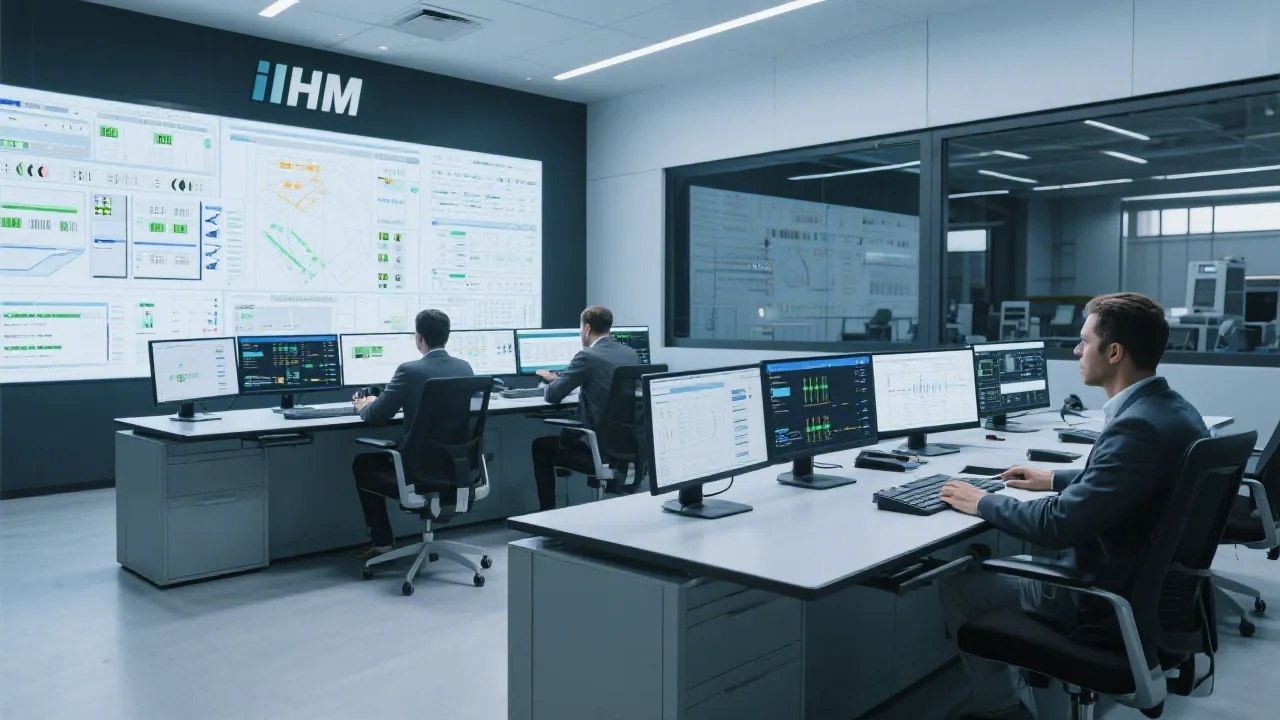
Introduction to IHM SCADA Systems
In the evolving landscape of industrial automation, IHM SCADA systems stand out as a critical innovation. They integrate Human Machine Interface (HMI) and Supervisory Control and Data Acquisition (SCADA) systems to build a cohesive framework that drives operational efficiency across various industries. This article delves into the core components of IHM SCADA, its applications, benefits, and the pivotal role it plays in modern industrial contexts. Additionally, we will explore the impact of emerging technologies, the challenges faced in implementation, security considerations, and best practices for maintenance and upgrades of these systems.
What Are IHM SCADA Systems?
IHM SCADA systems merge two vital technologies: Human Machine Interface (HMI) and Supervisory Control and Data Acquisition (SCADA). These systems allow operators to interact with machines and devices via intuitive interfaces while simultaneously collecting and analyzing data from multiple control systems. The result is a dynamic system capable of real-time monitoring and control, essential for sectors like manufacturing, energy, and utilities. The combination of HMI and SCADA offers a unified platform that enhances operational oversight and facilitates smart decision-making processes, significantly contributing to a more efficient industrial ecology.
Core Components of IHM SCADA
| Component | Description |
|---|---|
| Human Machine Interface (HMI) | Allows operators to interact with the machinery via graphical displays and user-friendly interfaces, simplifying complex operations. |
| Supervisory Systems | Centers on data acquisition and process control by managing input from multiple sensors and machines, ensuring smooth operational flow. |
| Data Acquisition | Covers sensors, PLCs, and RTUs that collect data from industrial systems for monitoring and analysis, enabling detailed performance tracking. |
| Communication Infrastructure | Ensures effective data transmission between field devices and control centers, encompassing both wired and wireless networks for reliable connectivity. |
Benefits of Implementing IHM SCADA
The benefits of using IHM SCADA systems are multiform:
- Enhanced Monitoring: Provides real-time surveillance of plant operations, improving responsiveness to potential issues and enabling quick remedial actions before problems escalate.
- Data-Driven Insights: Facilitates comprehensive analysis of operations, promoting informed decision-making. This empowers managers to optimize workflows based on empirical data rather than intuition alone.
- Increased Efficiency: Automates routine processes, reducing the need for manual intervention and minimizing errors. Automation significantly lowers labor costs while enhancing accuracy.
- Scalability: Easily integrates with existing operations and can scale with growing industrial needs, making it suitable for businesses of all sizes—from small enterprises to large corporations.
- Cost Efficiency: Optimizes resource usage and lowers operational costs through automation and data insight. By reducing downtime and improving process reliability, organizations can significantly enhance their overall profitability.
- Improved Safety: Automates hazardous operations, ensuring that human operators are kept at a safe distance from potentially dangerous environments. Moreover, real-time monitoring capabilities can trigger alarms for any dangerous conditions, enhancing safety protocols.
Applications Across Industries
IHM SCADA systems find their place in a multitude of industries, highlighting their versatility:
- Manufacturing: Streamlines production lines through precise control and monitoring of machinery, facilitating just-in-time production techniques that minimize waste and maximize efficiency.
- Energy and Utilities: Facilitates the efficient distribution of electricity and water, ensuring reliable service and maintenance. SCADA technologies are crucial in balancing loads and managing renewable energy sources like wind and solar.
- Oil and Gas: Monitors drilling activities and pipeline systems to ensure safety and regulatory compliance. The use of SCADA is vital in detecting leaks and minimizing environmental impacts.
- Transportation: Manages vehicle and transit systems for optimal operation and safety assurance. SCADA systems play a critical role in traffic management systems, allowing for dynamic route adjustments based on real-time data.
- Building Automation: Controls lighting, heating, ventilation, and security systems within commercial and residential buildings, leading to energy savings and improved occupant comfort.
Emerging Technologies and IHM SCADA
As industries grapple with evolving technological landscapes, IHM SCADA systems are experiencing significant transformations driven by the advent of new technologies.
Internet of Things (IoT)
The rise of IoT has enabled more versatile and interconnected devices that can be seamlessly integrated into IHM SCADA systems. These connections allow for real-time data collection from virtually anywhere, leading to enhanced efficiency and monitoring capabilities. The aggregation of data from multiple sources provides AI algorithms with the extensive data required for analytics, predictive maintenance, and even automated decision-making processes.
Artificial Intelligence (AI) and Machine Learning (ML)
AI and ML are revolutionizing the operational capabilities of IHM SCADA systems. By integrating predictive analytics, organizations can proactively address maintenance issues and optimize processes. For instance, ML algorithms can analyze historical performance data to predict future failures or operational inefficiencies, enabling preemptive actions before problems arise. This shift from reactive to proactive management drastically reduces downtime and extends the life cycle of equipment.
Cloud Computing
Cloud computing technology is enhancing IHM SCADA systems by allowing data to be stored and analyzed more efficiently. With cloud-based solutions, companies can access their SCADA systems from anywhere in the world, improving flexibility and collaboration among teams. This shift also reduces the burden on physical servers, allowing for cost savings and enhanced data security.
Challenges in Implementing IHM SCADA
Despite the benefits, implementing IHM SCADA systems comes with its challenges and considerations:
- Integration with Legacy Systems: Many organizations struggle with integrating modern IHM SCADA systems with existing legacy systems. A thorough assessment is necessary to ensure compatibility and functionality.
- Data Security: As IHM SCADA systems become more interconnected, the risk of cyberattacks increases. Organizations must invest in robust cybersecurity measures to protect sensitive data and maintain operational integrity.
- User Training: Operators must be adequately trained to utilize advanced features. Without proper training, the efficiency gains can be hindered by operator errors.
- High Initial Investment: Deploying sophisticated IHM SCADA systems can require significant financial investment upfront. Organizations need to evaluate the ROI before committing to such transformations.
Security Considerations for IHM SCADA Systems
As IHM SCADA systems are critical to organizational operations, securing these systems is paramount. Here are some key security considerations:
- Network Security: Implementing firewalls, intrusion detection systems, and secure VPNs can help protect the network infrastructure from unauthorized access.
- Data Encryption: Data at rest and in transit should be encrypted to safeguard against interception and breaches.
- Regular Software Updates: Keeping the IHM SCADA software and associated applications updated is essential to protect against newly discovered vulnerabilities.
- Access Controls: Utilizing role-based access controls ensures that only authorized personnel have access to sensitive data and critical functions within the system.
- Incident Response Plan: Developing a robust incident response plan can help organizations quickly address and mitigate the effects of any security breaches.
Best Practices for Maintenance and Upgrades
Proper maintenance and timely upgrades of IHM SCADA systems are crucial for sustained effectiveness and efficiency. Consider the following best practices:
- Regular Audits: Conduct periodic audits of the system to identify any risks or inefficiencies and to ensure compliance with industry standards.
- Backup and Recovery Solutions: Implement comprehensive data backup and recovery solutions to prevent data loss in case of system failures or cyberattacks.
- Performance Monitoring: Continuous performance monitoring can help detect anomalies or declines in system performance, allowing for immediate corrective actions.
- Documentation: Maintain thorough documentation of system configurations, maintenance procedures, and training materials, which can aid in troubleshooting and onboarding new personnel.
- Engaging with Vendors: Maintain close relationships with system vendors for technical support and to stay informed of the latest updates and best practices.
FAQs
Here, we address some frequently asked questions about IHM SCADA systems.
- What is an IHM SCADA system? It is an integrated system combining human interfaces with data acquisition technologies to improve industrial process control.
- How does IHM SCADA improve operational efficiency? By providing real-time data and control over industrial processes, thus helping to optimize performance and reduce downtime.
- Can IHM SCADA systems be customized? Yes, they are highly customizable to fit specific industrial needs and scale alongside business growth, making them flexible for diverse applications.
- Are these systems secure? They employ advanced cybersecurity measures to protect data from unauthorized access and cyber threats.
- Can I access IHM SCADA remotely? Yes, many IHM SCADA systems support remote access, allowing operators to monitor and control processes from various locations, provided adequate security measures are in place.
The Future of IHM SCADA Systems
The future of IHM SCADA systems is intertwined with advancements in technology such as the Internet of Things (IoT), Artificial Intelligence (AI), and Machine Learning (ML). As these technologies advance, SCADA systems will increasingly feature self-regulating and predictive capabilities, further driving industrial efficiency and innovation. The integration of AI and IoT is expected to push the capabilities of IHM SCADA systems beyond traditional monitoring and control to fully automated and intelligent operations capable of learning and adapting within their environments.
Moreover, the potential for integration with smart infrastructure and Industry 4.0 initiatives heralds a new era in industrial automation, where IHM SCADA systems could become core components of fully integrated and autonomous factories. This evolution promises not just enhanced operational capabilities but also significant contributions toward sustainable industrial practices through optimized resource management and waste reduction strategies.
Conclusion
IHM SCADA systems remain an essential component for industries striving for optimized operations and strategic insights. By integrating advanced technologies, they provide a comprehensive solution to contemporary industrial challenges, making them invaluable for future-ready businesses. As we look ahead, organizations that embrace these systems and invest in their ongoing evolution will be better positioned to thrive in the face of new challenges and opportunities.
The ever-increasing data volumes, the demand for real-time decision-making, and the requirement for agile responses to operational changes will continue to drive the innovation of IHM SCADA systems. In this context, emphasizing user training, cybersecurity measures, and a proactive maintenance approach will be critical for ensuring that these systems do not simply meet current demands but are also equipped to evolve with the industries they serve.