Understanding IHM SCADA Systems
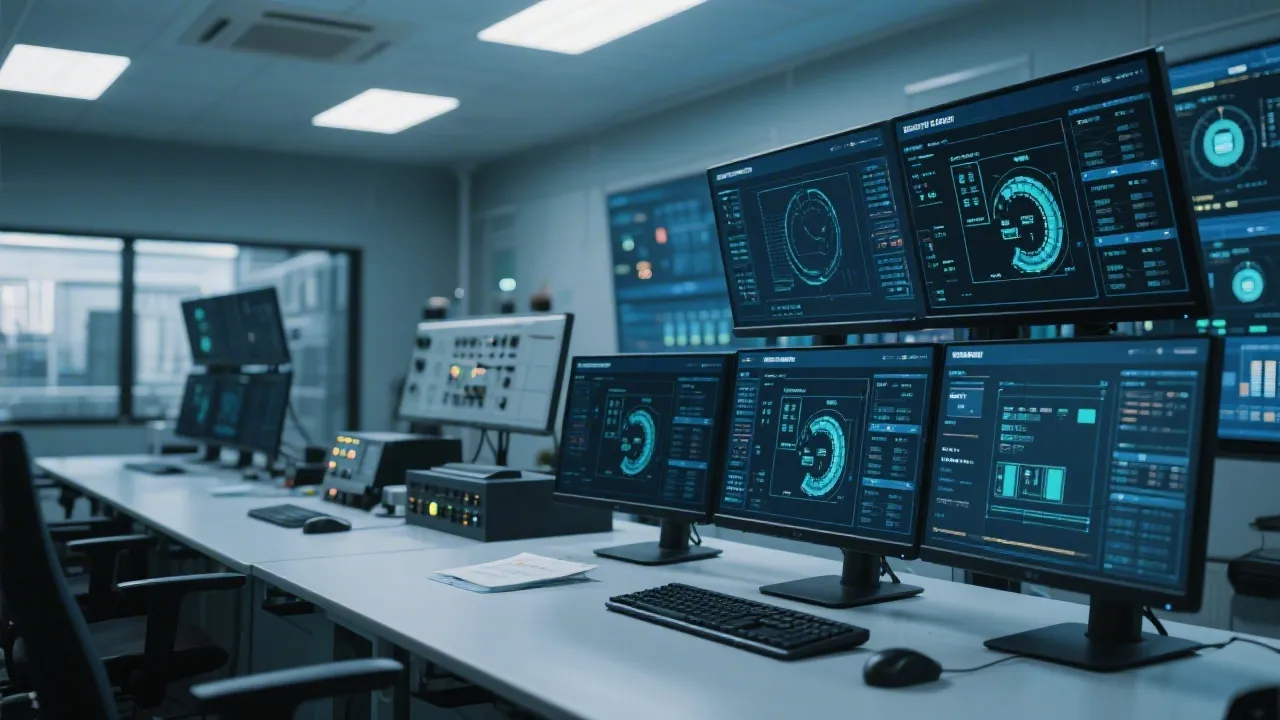
IHM SCADA systems play a crucial role in industrial automation, offering a sophisticated interface for monitoring and controlling operations. These systems integrate hardware and software to provide real-time data analysis, enhancing efficiency and decision-making. IHM SCADA systems are pivotal in sectors like manufacturing, oil and gas, and energy management.
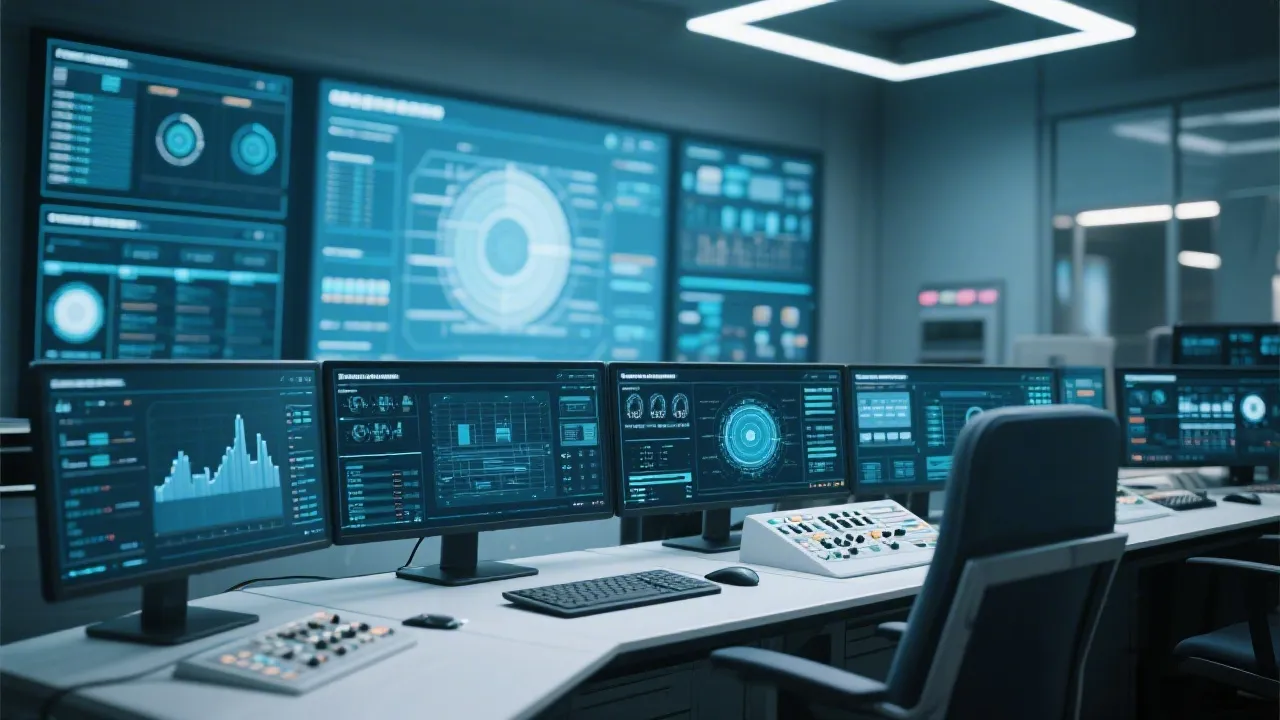
Introduction to IHM SCADA Systems
The emergence of IHM SCADA (Supervisory Control and Data Acquisition) systems has revolutionized the way industries manage and optimize their operations. These sophisticated systems are designed to handle complex processes by providing a comprehensive overview of operations through an integrated human-machine interface (IHM). By offering real-time monitoring and control, IHM SCADA systems enhance production efficiency and operational decision-making. As industries face increasing challenges related to efficiency, productivity, and safety, the implementation of IHM SCADA solutions becomes critical to maintaining competitiveness in today's fast-paced market.
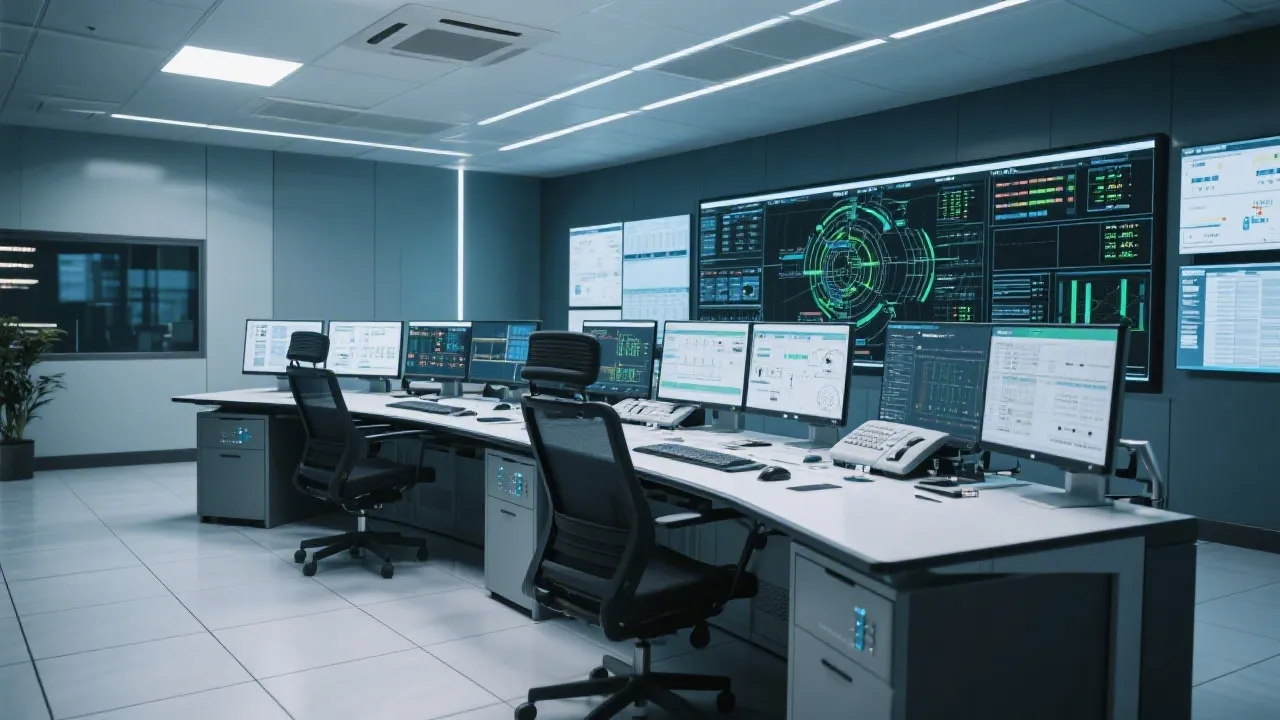
IHM SCADA systems serve as the central nervous system for numerous industrial applications. They collect and process vast amounts of data from distributed field devices, such as sensors and actuators, throughout facilities. By centralizing data processing and analysis, these systems enable operators to not only visualize operational trends in real-time but also identify anomalies and inefficiencies that may not be visible at a glance. Over the years, this technological evolution has dramatically improved the capability of factories and production facilities to respond to changing conditions, thus ensuring a more resilient and adaptive operational framework.
Core Components of IHM SCADA
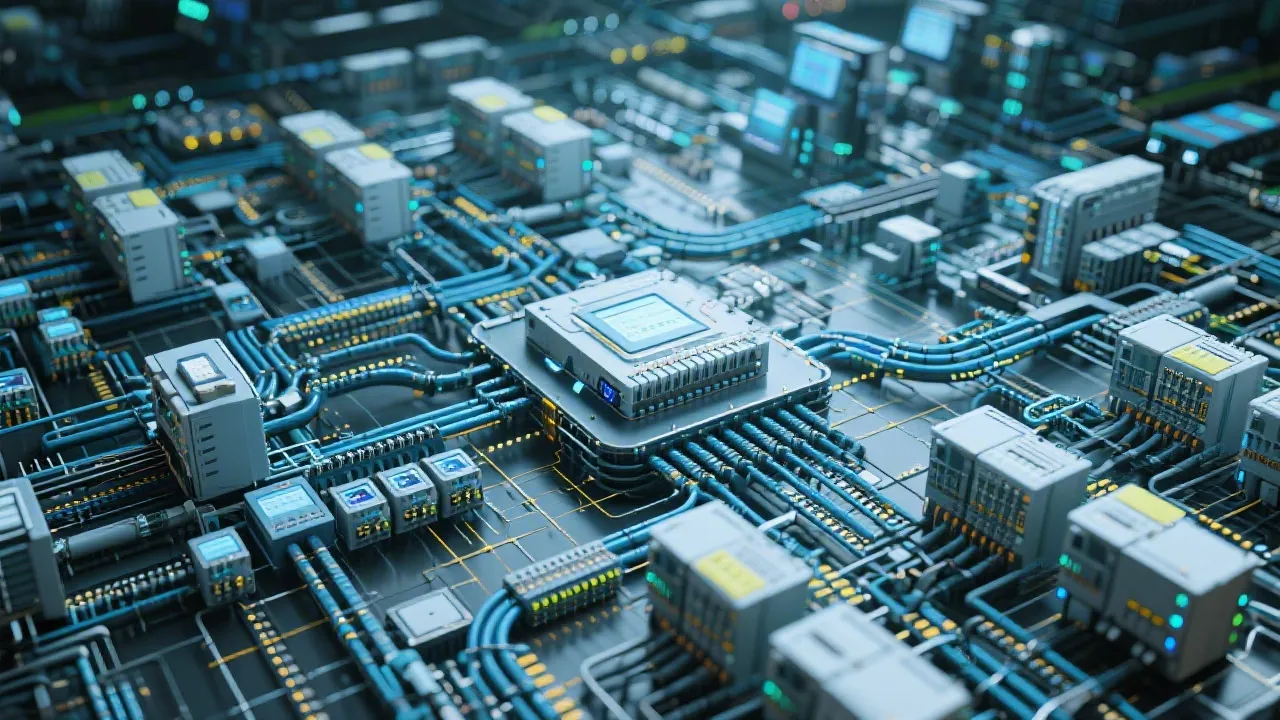
At its core, an IHM SCADA system combines various components such as hardware interfaces, communication equipment, and supervisory software. The hardware interfaces involve programmable logic controllers (PLCs) and remote terminal units (RTUs), which gather data from sensors and devices situated in the operational environment. PLCs process incoming signals, execute control commands, and relay information back to the SCADA system. RTUs facilitate communication between field devices and the central system, particularly in geographically dispersed installations.
Communication equipment ensures that data flows seamlessly between field devices and the central control system. This can include wired and wireless protocols that cater to different operational environments, from Ethernet-based networks to cellular connections and satellite links. The adaptability of IHM SCADA systems in accommodating diverse communication frameworks underscores their versatility, allowing them to fit into various sectors and infrastructures.
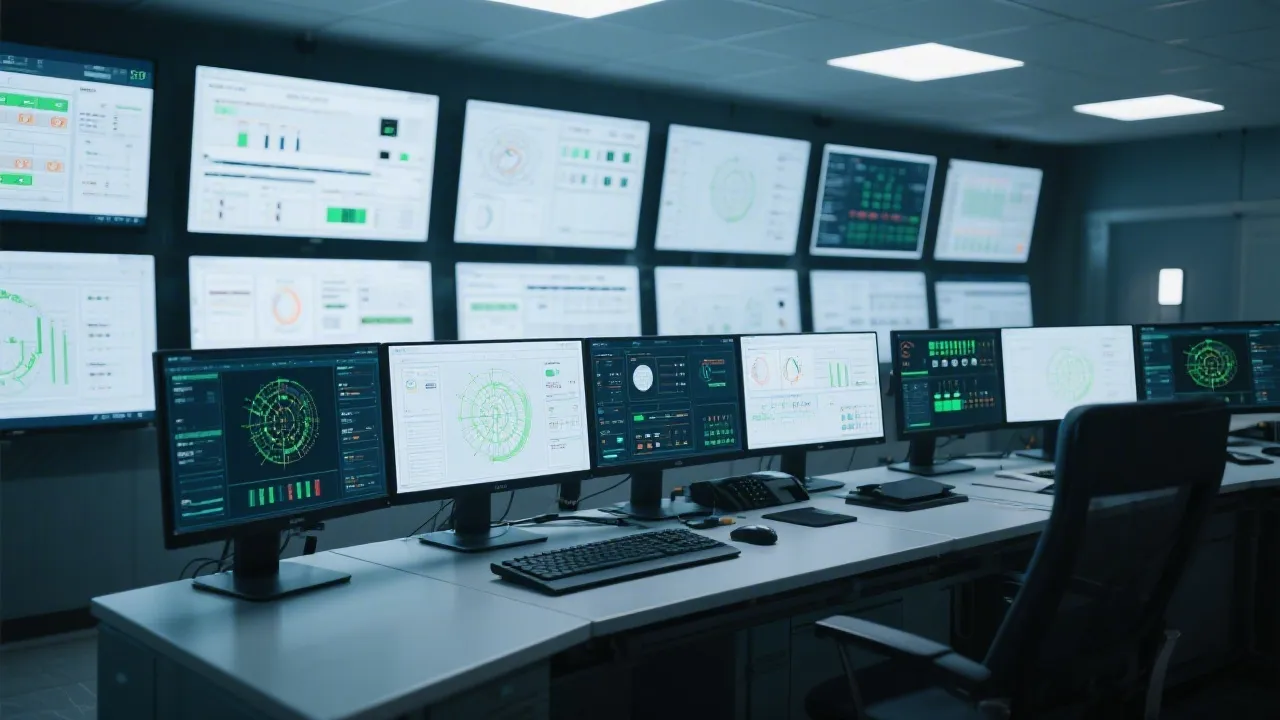
Meanwhile, the supervisory software provides operators with user-friendly dashboards and visualization tools that turn raw data into actionable insights. The software collects and analyzes data to reveal trends, enabling predictive maintenance and operational optimizations. It conducts alarm management, ensuring that operators are immediately notified of critical conditions that require attention. This sophisticated monitoring and control allow for systematized responses to a range of operational scenarios, boosting both productivity and safety.
Advantages of Utilizing IHM SCADA
- Real-Time Monitoring: IHM SCADA systems provide fast visibility into operations, enabling timely detection of issues and immediate corrective action. Real-time dashboards display key performance indicators (KPIs) and other metrics, allowing operators to respond to anomalies without delay. This capability is crucial in environments like manufacturing, where even a momentary disruption can lead to significant losses.
- Improved Decision-Making: By providing detailed analytics and historical data, these systems support informed decisions and contribute to strategic planning. The ability to analyze trends over time can help organizations develop predictive models that enhance operational efficiency. For instance, understanding peak production times or predicting equipment failures enables preemptive actions to thwart breakdowns and optimize resource allocation.
- Cost Efficiency: As issues can be identified quickly, operational downtime is minimized, resulting in significant cost savings. The implementation of IHM SCADA systems is often justified by their long-term ROI, which comes from decreased maintenance costs, less overtime labor, and optimized inventory management. For example, energy consumption can be monitored and adjusted in real-time, reducing utility bills and contributing to sustainability goals.
- Enhanced Safety: Safety is paramount in industrial settings, and IHM SCADA systems contribute significantly to risk management. By monitoring critical parameters and generating alerts when thresholds are exceeded, these systems enable proactive measures to be taken before accidents or equipment failures occur. Comprehensive logging and reporting of incidents also facilitate compliance with safety regulations and standards.
- Scalability: As businesses grow, their operational needs evolve. IHM SCADA systems can easily scale to accommodate new processes, equipment, and locations, making them a future-proof investment. Organizations can expand their systems without needing a complete overhaul, allowing for a phased approach to modernization and integration.
Industries Benefiting from IHM SCADA
Various industries harness the power of IHM SCADA systems to optimize their processes. The manufacturing sector benefits from increased productivity and enhanced safety protocols. In factories, SCADA systems provide insights that can alert operators to potential issues before they escalate, ensuring a more continuous and effective production flow. Automated monitoring facilitates the adoption of lean manufacturing practices, leading to reduced waste and higher efficiency.
In the oil and gas industry, IHM SCADA systems assist in monitoring fluctuating field conditions and optimizing resource usage. They play a critical role in managing complex networks of pipelines and facilities, helping to ensure safe and reliable transportation of resources. Given the hazardous nature of this industry, the capacity to swiftly identify and rectify operational anomalies can prevent catastrophic incidents, protect human lives, and mitigate environmental risks.
Energy management sectors employ SCADA to manage grid operations and maintain balance between supply and demand. As the prevalence of renewable energy sources increases, IHM SCADA systems become crucial in integrating diverse energy inputs while managing fluctuations and enhancing reliability. The ability to dynamically monitor power generation and consumption allows for better energy distribution, preventing outages and improving system stability.
In the water and wastewater treatment industry, SCADA systems enable monitoring of treatment processes, ensuring that they operate within specified parameters to meet environmental regulations. They allow for effective water quality management, leak detection, and automated control over pumps and treatment processes. This results in improved operational efficiency while safeguarding public health and the environment.
Implementing IHM SCADA: A Step-by-Step Guide
- Initial Assessment: Analyze current systems to determine the specific needs and customization requirements of the IHM SCADA system. Conducting a comprehensive audit of existing processes allows organizations to identify gaps in operational management that the new system can address.
- System Specification: Define the hardware and software specifications that match operational requirements. Ensure that the selected components align with organizational capabilities in terms of technical skills, as well as budget constraints.
- Installation and Configuration: Deploy the hardware and software, ensuring seamless integration with existing processes. This phase requires thorough planning to minimize operational disruptions during the transition period.
- Testing and Verification: Conduct extensive testing to confirm that the system operates as expected and resolves potential discrepancies. Validation protocols should be in place to guarantee that the system meets predefined specifications and complies with industry standards.
- Training and Maintenance: Provide training for operators and establish maintenance protocols to keep the system operating at peak performance. Continuous training ensures that staff is acquainted with the latest functionalities and can immediately address any emerging challenges.
Comparison: IHM vs. Traditional SCADA
| Parameter | IHM SCADA | Traditional SCADA |
|---|---|---|
| Interface | Intuitive and User-Friendly | Basic Graphical Interface |
| Data Interaction | Interactive and Detailed | Limited Interaction |
| Customization | Highly Customizable | Standard Options |
| Real-Time Capabilities | Enhanced Real-Time Data Processing | Delayed Data Updates |
| User Experience | Focus on Operator Engagement | Less Emphasis on User Engagement |
| Integration Flexibility | Designed for Integration with Modern Technologies | Limited to Legacy Systems |
FAQs About IHM SCADA Systems
- What is the primary function of an IHM SCADA system?
IHM SCADA systems are designed to monitor and control industrial processes in real-time, providing operators with the data and tools necessary for efficient management. They facilitate better operational planning, promote safety, and ensure compliance with necessary regulations. - Can IHM SCADA systems be integrated with existing infrastructures?
Yes, these systems are highly adaptable and can be seamlessly integrated into existing industrial infrastructures with appropriate configuration and customization. Depending on the existing infrastructure, this may involve connecting various types of sensors and devices or interfacing with other operational technologies, enhancing the capabilities of both legacy and modern systems. - Are IHM SCADA systems cost-effective?
While the initial investment may be substantial, good cost savings through improved efficiency and reduced downtime justify the expenditure. Over time, organizations often experience a significant return on investment as the operational benefits realized through the use of IHM SCADA systems outweigh the initial costs. - What industries are very suited for IHM SCADA implementations?
Industries with complex processes, such as manufacturing, oil and gas, and energy management, benefit significantly from IHM SCADA systems. Other sectors like water treatment, food processing, and pharmaceuticals also increasingly recognize the value added by implementing IHM SCADA technologies to streamline operations and ensure regulatory compliance. - How can data from IHM SCADA systems drive continuous improvement?
Historical data collected by IHM SCADA systems can be analyzed to identify trends, understand root causes of operational issues, and develop strategies that lead to continuous improvement. By applying insights gained from this data analysis, organizations can enhance processes, optimize resource utilization, and foster a culture of proactive management.
In conclusion, IHM SCADA systems represent a remarkable advancement in industrial process management. By offering sophisticated monitoring, control, and analysis capabilities, these systems facilitate improved operational efficiency and strategic decision-making across numerous sectors. As industries continue to embrace digital transformation and the Internet of Things (IoT), the role of IHM SCADA systems will only grow in importance, providing organizations with the tools necessary to harness the power of data analytics and maintain a competitive edge in the global marketplace.
As businesses look to the future, the integration of artificial intelligence and machine learning with IHM SCADA systems is set to further enhance their capabilities. These technologies will allow for predictive analysis, providing insights that can be harnessed to head off operational issues before they manifest. Moreover, the incorporation of automated learning systems will enable SCADA systems to become more adaptive, improving over time as they learn from new data inputs.
The development of cybersecurity measures tailored for IHM SCADA systems will also play a crucial role as industries become increasingly reliant on interconnected systems. In today’s digital landscape, the need to protect sensitive data and ensure system integrity is paramount. Therefore, organizations must work diligently to implement robust cybersecurity protocols, safeguarding their operations from potential threats.
In summary, the future of IHM SCADA systems is bright, with unending possibilities for innovation and enhancement. As organizations across various sectors work towards achieving maximum efficiency and productivity, IHM SCADA systems will undoubtedly remain at the forefront of technological advancements in industrial operations. By leveraging these tools, businesses can not only streamline their processes but also pave the way for a more sustainable and productive industrial future, one that aligns with the principles of Industry 4.0.