Unveiling the Potential of IHM SCADA
The integration of IHM SCADA systems in industries is pivotal for modern automation and process management. SCADA (Supervisory Control and Data Acquisition) systems collect and analyze real-time data, enhancing efficiency and safety. Renowned for their comprehensive monitoring capabilities, IHM SCADA solutions are vital across various sectors, supporting intelligent decision-making and operational excellence.
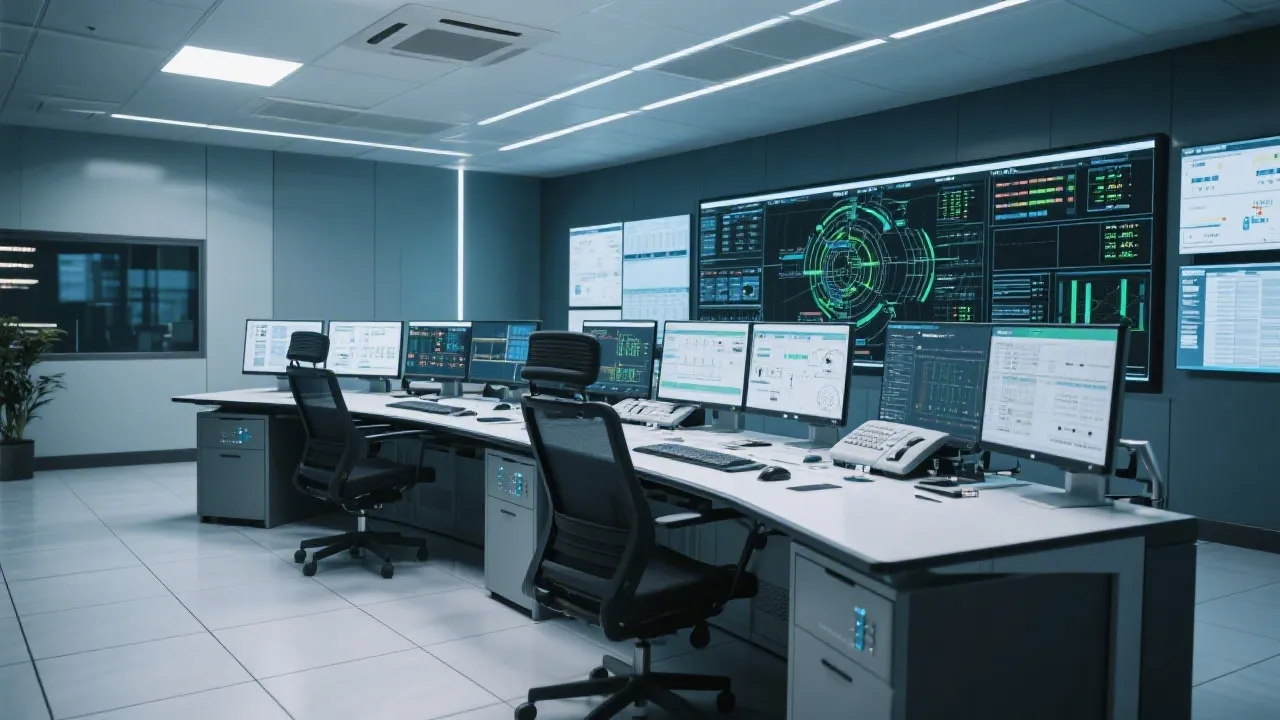
Understanding IHM SCADA Systems
The realm of industrial automation is significantly enhanced by the implementation of IHM SCADA (Supervisory Control and Data Acquisition with Integrated Human-Machine Interface) systems. These systems are designed to collect, monitor, and analyze real-time data from various industrial processes, ensuring efficiency, safety, and informed decision-making. IHM SCADA solutions provide a user-friendly interface that allows operators to interact seamlessly with complex control systems. The evolution of these systems has been pivotal in enabling industries to optimize operations and improve productivity, reflecting the growing importance of data in modern industrial practices.
At its core, an IHM SCADA system acts as a communication bridge that facilitates direct information flow between ground-level operations and higher-level management. This capability primarily stems from its architecture, which allows it to operate in real-time, providing instantaneous feedback and remote monitoring capabilities. The integration of historical data trends into daily operations can also lead to strategic planning that anticipates future needs and problems before they escalate.
The Core Components of IHM SCADA
A robust IHM SCADA system typically comprises several components that work in harmony. These include:
- Field Devices: Instruments directly connected to the industrial process, such as sensors, meters, and pumps, which gather data or perform actions. These devices are crucial as they are the primary source of the raw data that integrates into the SCADA system.
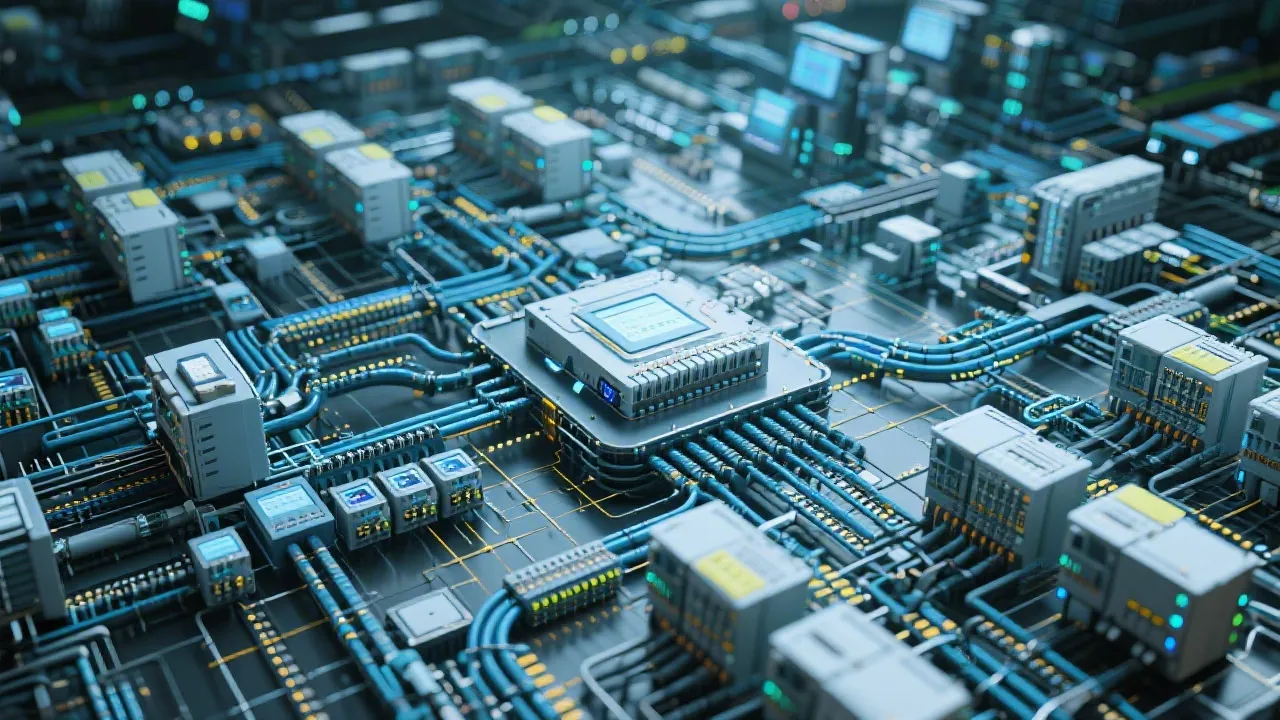
- Remote Terminal Units (RTUs): Devices that interface with field instruments to convert sensor signals into digital data. RTUs are essential for collecting data from the field and transmitting it to the central SCADA system, often in a remote location.
- Programmable Logic Controllers (PLCs): Controllers that execute pre-programmed tasks based on data received from sensors. PLCs are favored in many industries for their reliability and versatility in performing complex control functions.
- Communication Networks: The backbone for data transfer, ensuring proper communication between field devices, RTUs, and central control systems. This encompasses both the hardware (cabling, wireless networks) and protocols (such as Modbus, DNP3) required for effective communication.
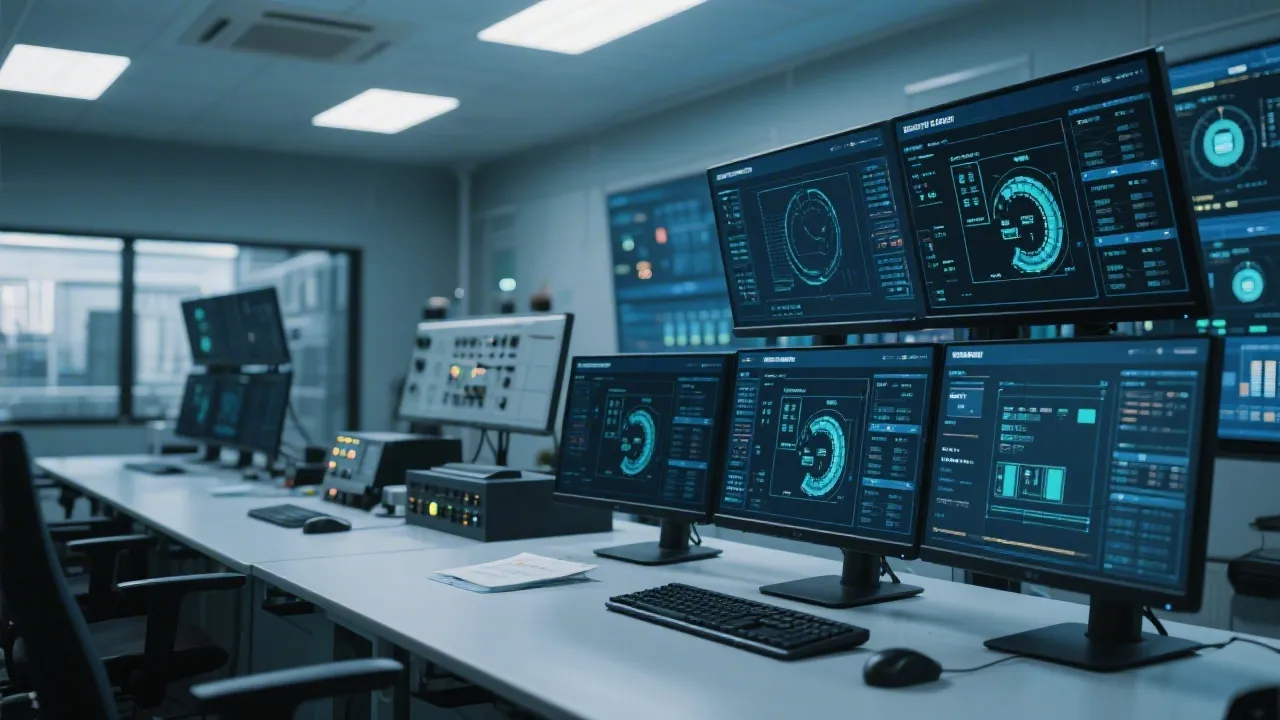
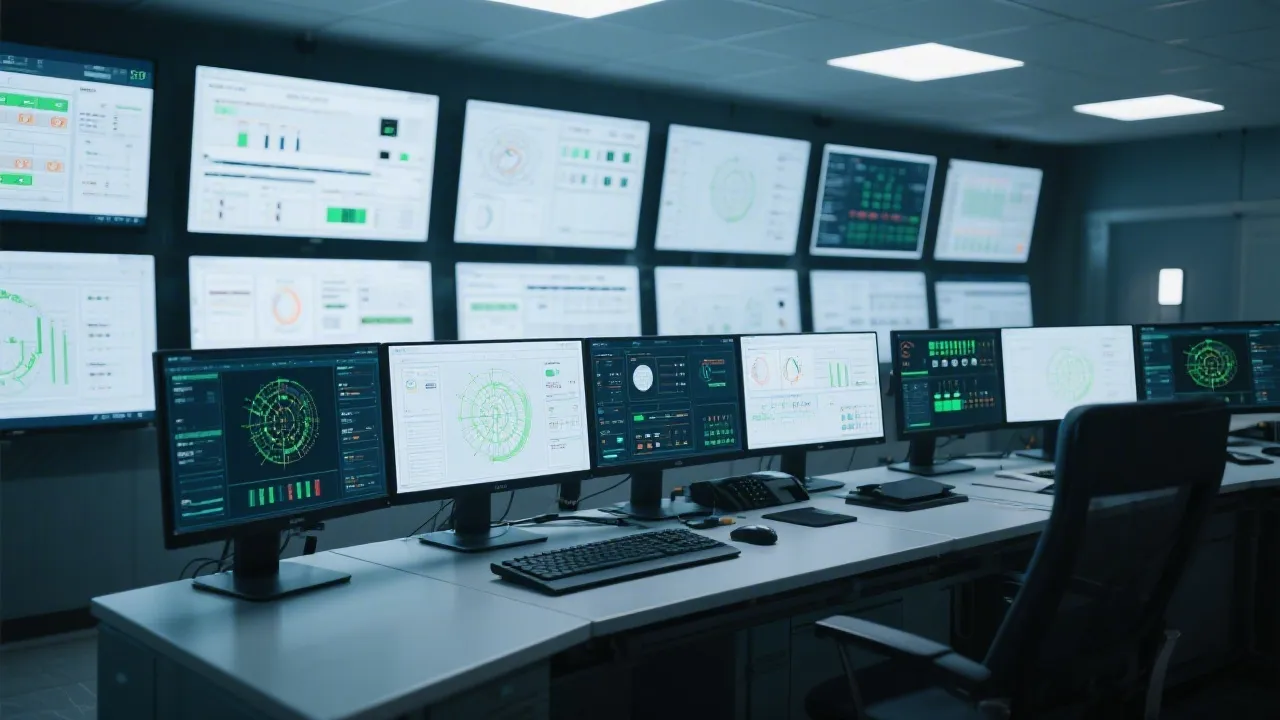
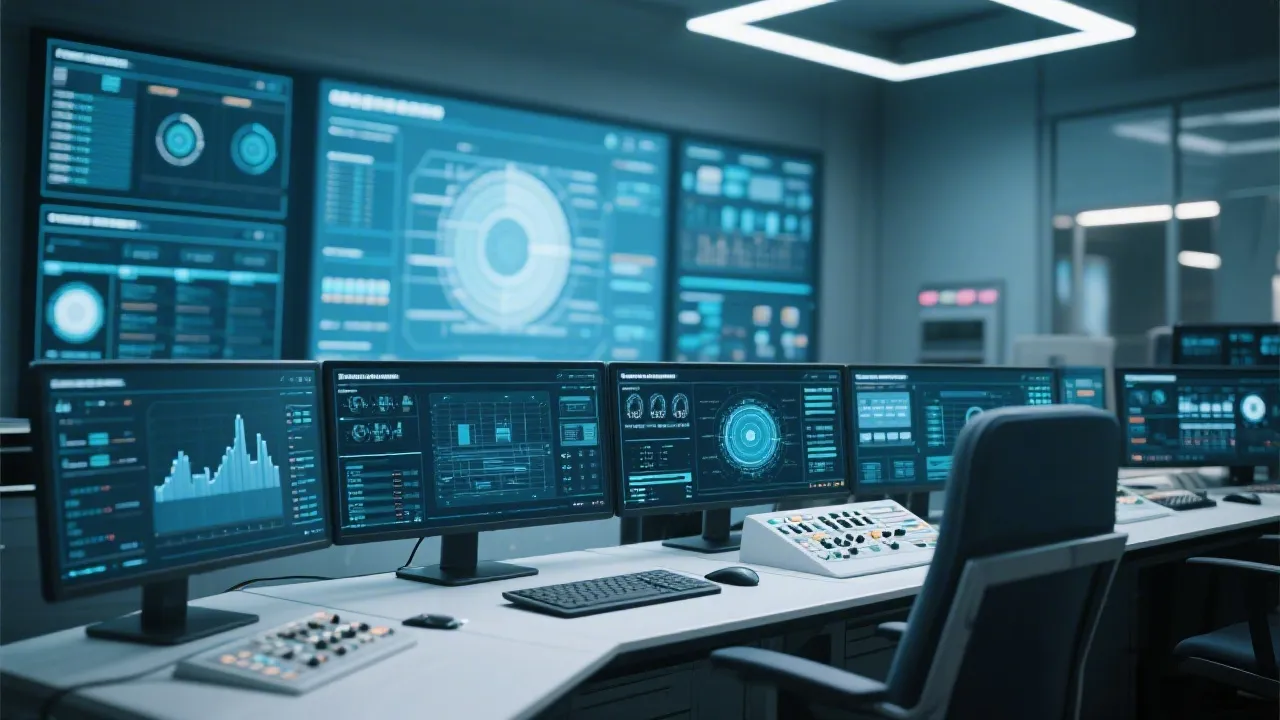
- User Interface: Often referred to as the Human-Machine Interface (HMI), it allows operators to monitor system status and make adjustments as needed. It encompasses everything from visual displays and alarms to interactive dashboards that enhance operator engagement.
Key Advantages of Implementing IHM SCADA
Industries leveraging IHM SCADA systems can benefit in numerous ways:
- Enhanced Operational Efficiency: Automation reduces manual oversight and optimizes resource allocation. By streamlining processes, organizations can allocate human resources to more strategic roles and reduce operational costs.
- Real-Time Monitoring: Immediate access to data ensures quick responses in case of anomalies or emergencies. This capability minimizes risks associated with unforeseen events and allows for faster troubleshooting.
- Data-Driven Decision Making: The system's ability to analyze past and present data aids in strategic planning. Managers can access dashboards and reports that provide a comprehensive overview of the operational landscape, facilitating better forecasting and planning.
- Cost Reduction: By minimizing human error and downtime, these systems can substantially reduce operational costs. Upfront investment in a SCADA system can lead to significant savings in the long run, as automated processes tend to be more efficient and less prone to costly errors.
- Improved Compliance and Reporting: Many industries are subject to regulations that require extensive documentation and reporting. SCADA systems can automate compliance reporting, reducing the administrative burden on staff and ensuring that organizations remain compliant with all relevant legislation.
Applications Across Various Industries
IHM SCADA systems are implemented across a multitude of sectors:
- Manufacturing: Ensures consistent product quality and process reliability. SCADA solutions in manufacturing not only control production lines but also provide traceability, allowing manufacturers to maintain quality standards throughout the production cycle.
- Energy: Vital for power generation, transmission, and distribution monitoring. SCADA systems help manage grid stability and optimize resource allocation in real-time, ensuring that energy supply meets demand efficiently.
- Water and Waste Management: Facilitates real-time control of water distribution and waste processing. SCADA systems help in resource conservation and monitoring system integrity, vital for sustainable management in water utilities.
- Building Automation: Integrates HVAC, lighting, and security systems for efficient building management. A well-designed SCADA system can optimize energy consumption, enhance security protocols, and improve tenant comfort.
- Transportation: Used in traffic management systems to monitor and control traffic signals, which enhances roadway efficiency and safety. The collection of data related to traffic patterns further supports urban planning initiatives.
The Future of IHM SCADA: Challenges and Opportunities
As technology evolves, IHM SCADA systems face both challenges and opportunities. The increasing complexity of industrial processes demands more sophisticated solutions, yet these systems must remain user-friendly and reliable. Additionally, as industries become more interconnected, the need for seamless integration of new technologies into existing SCADA infrastructures is paramount.
- Internet of Things (IoT) Integration: Linking SCADA systems with IoT devices promises enhanced data collection and analysis capabilities. As IoT sensors proliferate, SCADA systems must adapt to process vast amounts of data, ensuring that real-time analytics remain possible without overwhelming system resources.
- Cybersecurity Concerns: As SCADA systems become more interconnected, safeguarding them from cyber threats is paramount. Organizations must invest in robust cybersecurity measures, including firewalls, encryption, and regular security audits, to protect sensitive operational data.
- Cloud Computing: The potential for cloud-based SCADA solutions offers scalability and cost-efficiency. By leveraging the cloud, businesses can achieve greater flexibility in their operations and reduce the need for extensive on-premises hardware.
- Artificial Intelligence and Machine Learning: Integration of AI can enhance predictive analytics, enabling organizations to foresee and mitigate issues before they escalate into costly shutdowns. Machine learning algorithms can process historical data to identify patterns and recommend optimizations in automation processes.
FAQs about IHM SCADA
- What is the role of an HMI in SCADA systems? The HMI in SCADA systems provides operators with graphical interfaces to interact with complex industrial processes, making it easier to control and monitor operations. A well-designed HMI minimizes the cognitive load on operators, improving their efficiency and reducing the likelihood of errors.
- How does SCADA improve decision-making? By offering real-time data analysis and historical data trends, SCADA systems empower industries to make informed, data-driven decisions. Real-time metrics and KPIs provide insights that influence operational strategies and resource management.
- Are SCADA systems suitable for small businesses? Yes, SCADA systems can be customized and scaled to suit businesses of all sizes, including startups and small enterprises. Various vendors offer modular solutions that allow smaller companies to pick features appropriate for their level of operation.
- What is the future of SCADA systems in industry? The future of SCADA systems lies in integrating advanced technologies like IoT and AI to further enhance operational efficiency and predictive maintenance. Additionally, the transition towards more decentralized systems will drive the adoption of edge computing in SCADA architectures.
- How do SCADA systems contribute to sustainability efforts? SCADA systems play a crucial role in helping organizations manage resources more efficiently. By monitoring energy consumption and optimizing operations, these systems can significantly reduce environmental impacts and contribute to sustainability initiatives.
- What kind of training is required for operators to use SCADA systems effectively? Operators typically require training in both the specific SCADA software used and the operational processes of the facility. Training programs often cover system navigation, data analysis techniques, troubleshooting, and safety protocols.
Conclusion
IHM SCADA systems are pivotal for advancing industrial automation, offering a blend of real-time monitoring, enhanced efficiency, and intelligent data analysis. As technology continues to develop, the capabilities and applications of these systems will become ever more critical in shaping the future of various industries. Organizations investing in IHM SCADA can expect to achieve greater control, efficiency, and insight into their operations, positioning themselves advantageously in the competitive global market.
Crucially, the journey towards implementing a robust SCADA system involves understanding the specific needs of the business and its operational context. This allows for tailored solutions that meet unique requirements while also incorporating best practices from across different sectors. Successful integration of SCADA technology not only benefits the current operational framework but also paves the way for future innovations, fostering a culture of continuous improvement and adaptation to market changes.
In conclusion, as the industrial landscape continues to evolve, the role of IHM SCADA systems will be integral in facilitating smoother operations, driving efficiencies, and ensuring organizations can respond swiftly to changes in the market or operational challenges. Leveraging the full potential of these systems will ultimately lead to a more resilient and competitive industrial sector.