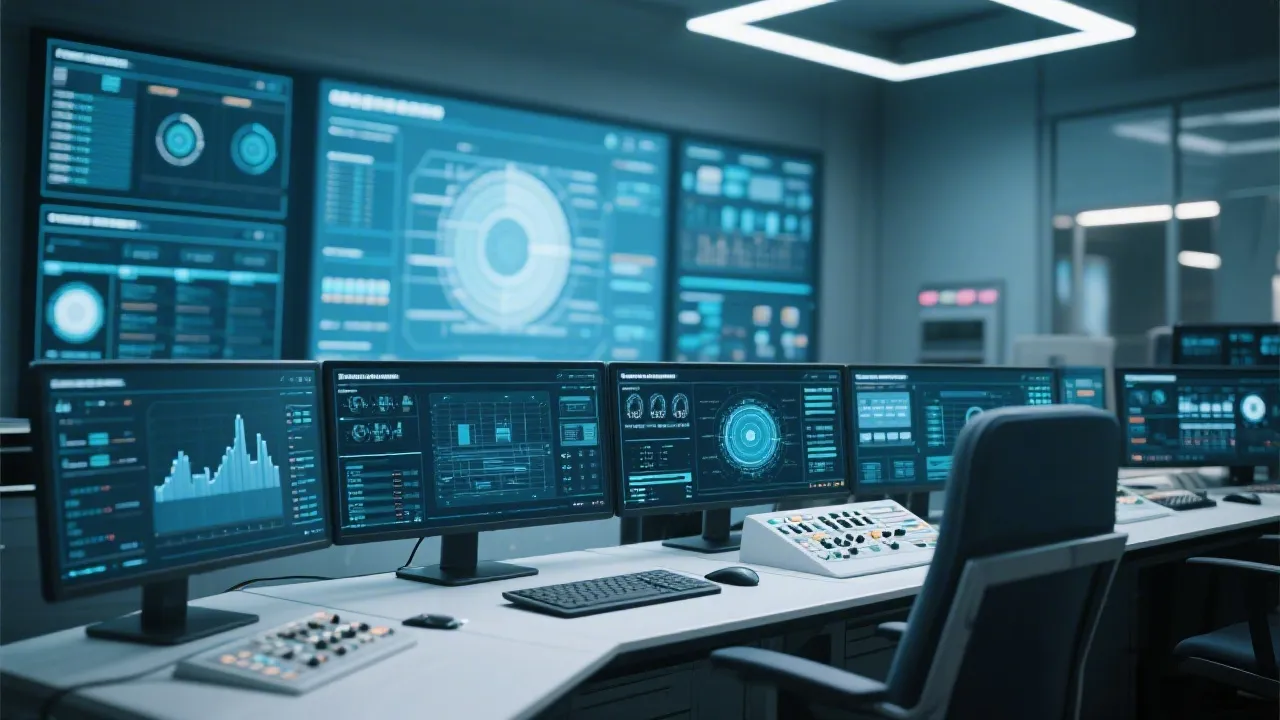
Understanding IHM SCADA Systems
IHM Scada represents an integral aspect of modern industrial operations, merging Human Machine Interface (IHM) with supervisory control and data acquisition (SCADA) systems to optimize efficiency and safety. These systems play a pivotal role in monitoring and controlling industrial processes across various sectors, providing real-time data and remote access capabilities to ensure seamless operations.
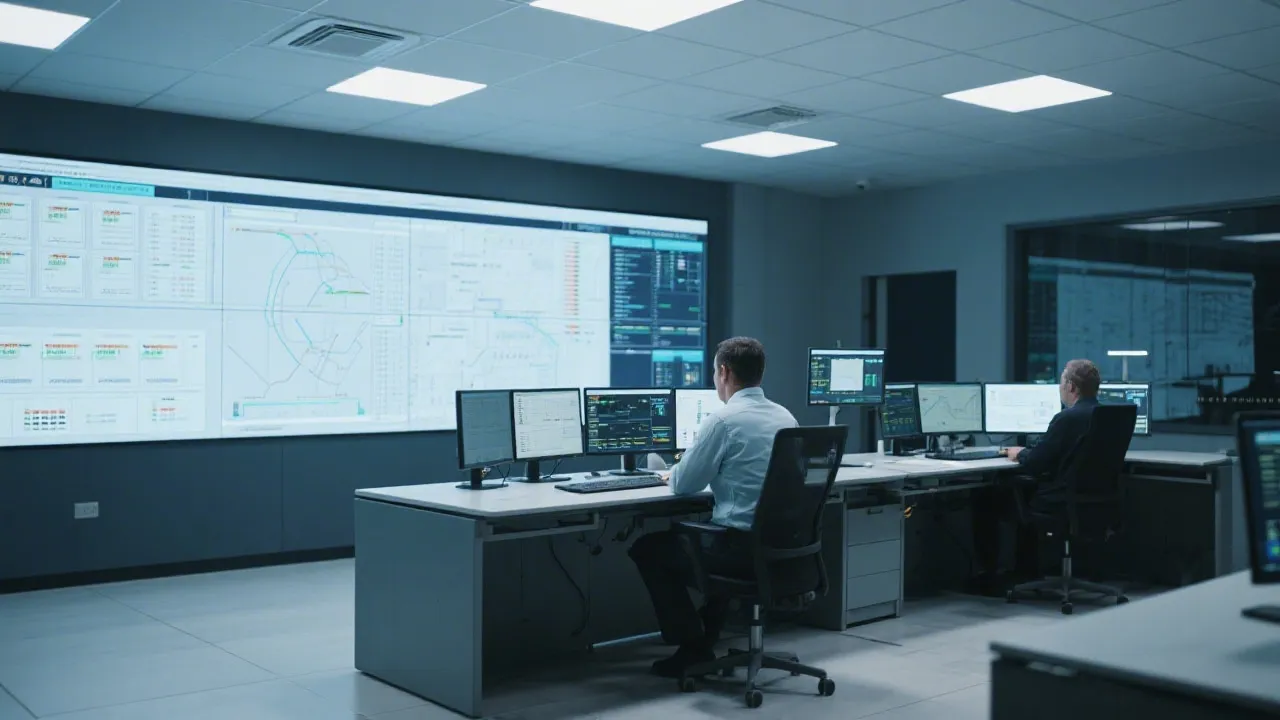
The Role of IHM SCADA in Industrial Automation
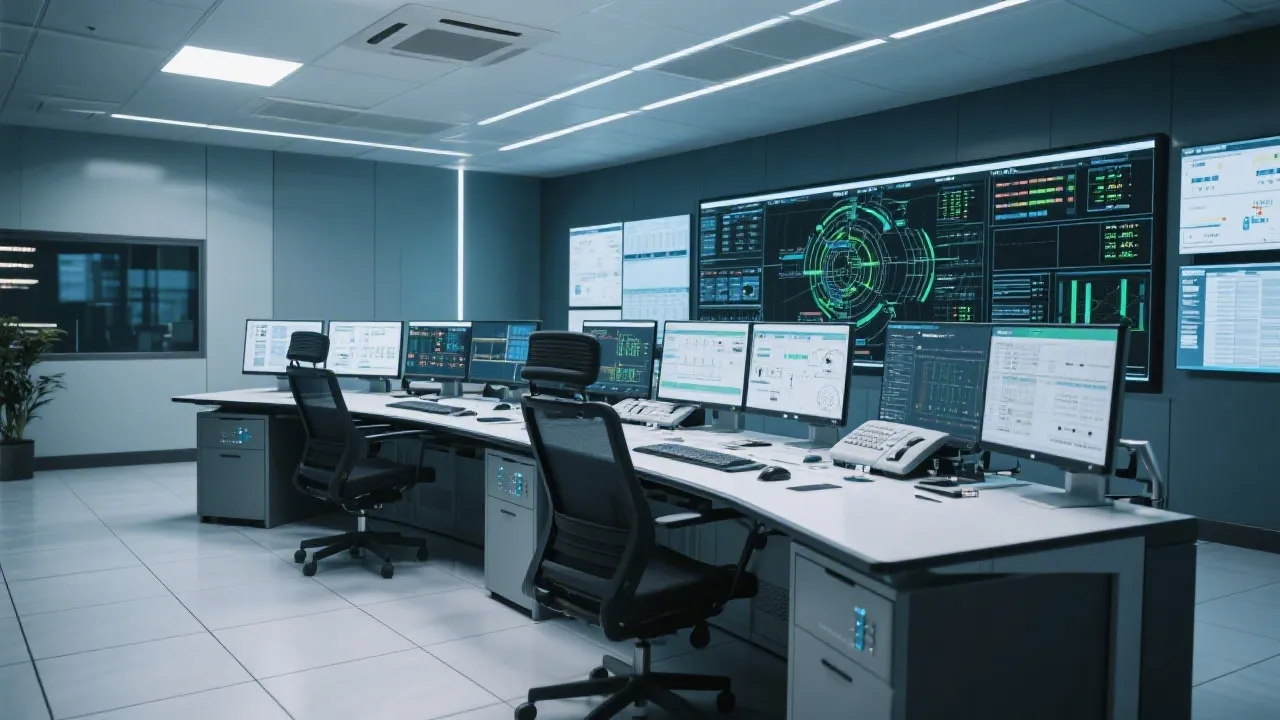
IHM SCADA systems have become quintessential in the realm of industrial automation, offering an intricate combination of hardware and software designed to monitor and control complex industrial processes. By integrating Human Machine Interface (HMI) with Supervisory Control and Data Acquisition (SCADA), these systems provide operators with a comprehensive view of machinery performance and operational data. This integration not only increases efficiency but also enhances the overall effectiveness of industrial operations.
The modern industrial landscape is highly competitive; companies must adapt rapidly to changing market demands and technological advances. In this context, the deployment of IHM SCADA systems stands out as a strategic move that enables organizations to gain an edge in automation and data-driven decision-making. By harnessing the power of real-time data monitoring, analysis, and control, these systems significantly contribute to enhanced productivity and operational transparency.
Moreover, the advent of Industry 4.0—the current trend of automation and data exchange in manufacturing technologies—has further amplified the relevance of IHM SCADA systems. They serve as vital links between physical machinery and digital systems, allowing for better integration of the Internet of Things (IoT), machine learning, and big data analytics into industrial processes.
Key Components of IHM SCADA
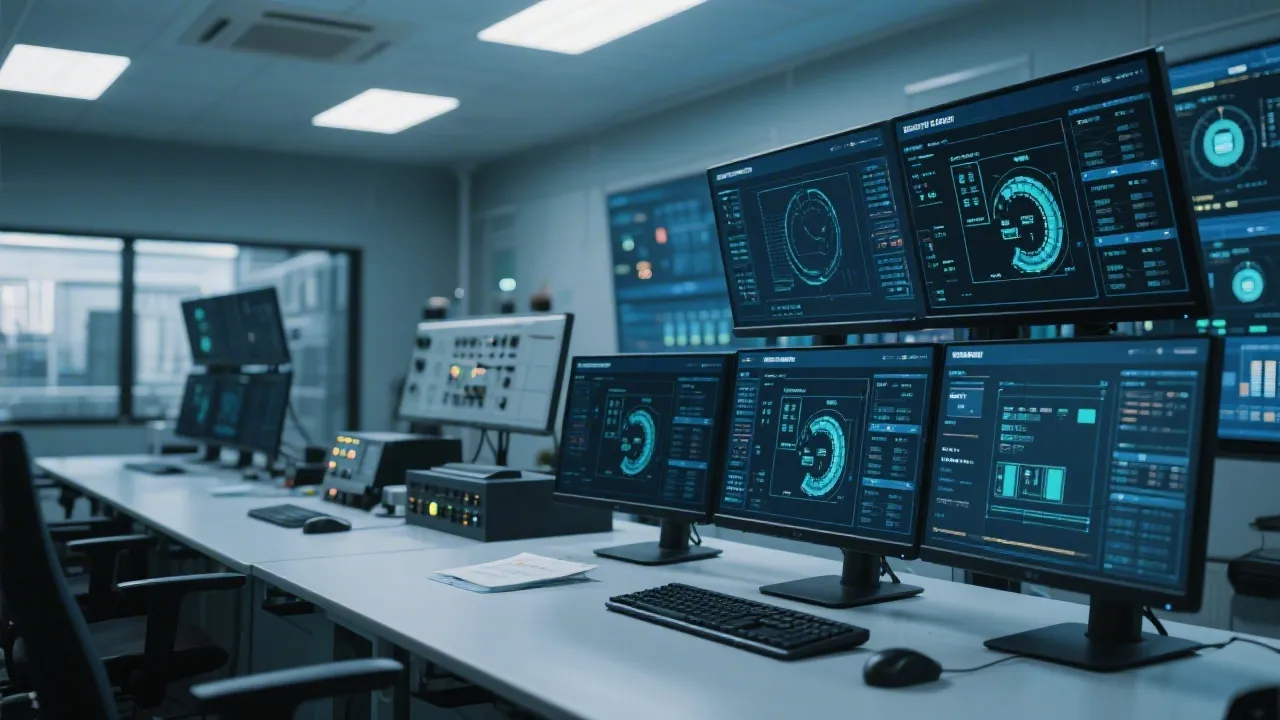
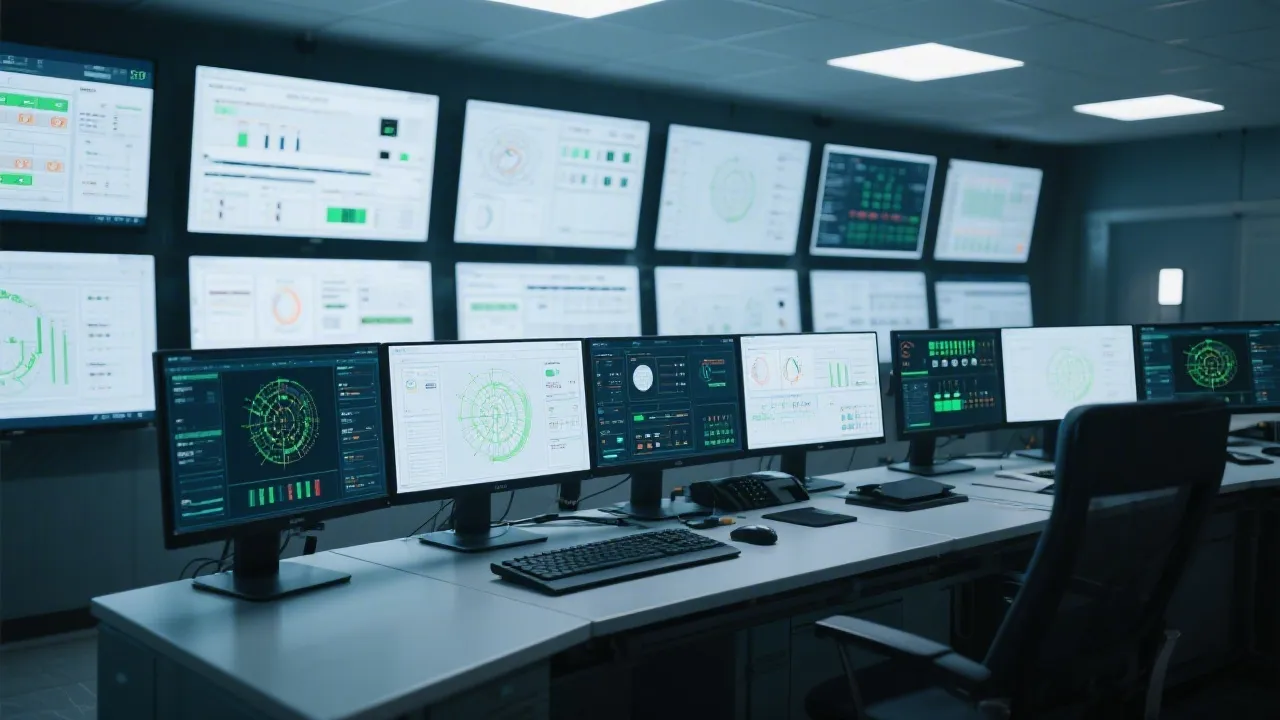
- Human Machine Interface (HMI): The HMI component facilitates interaction between operators and machinery, ensuring clear visualization of processes. It presents data in an easily interpretable form, such as graphs or dashboards, making it simpler for operators to control and monitor systems efficiently. HMIs can also provide alarms and notifications, enabling operators to respond swiftly to issues as they arise.
- Supervisory Control and Data Acquisition (SCADA): SCADA enables centralized collection and processing of data from multiple machines or facilities. Through SCADA, operators can access real-time data remotely, making it easier to oversee processes from anywhere, thus enhancing operational flexibility. The ability to analyze historical data trends also allows organizations to make forecasts and improve overall efficiency.
- Communication Infrastructure: A robust communication infrastructure is essential for the successful operation of IHM SCADA systems. This may include wired and wireless networks, protocols such as Modbus, TCP/IP, and MQTT, and more, ensuring that data flows seamlessly between devices, HMIs, and SCADA servers.
- Data Storage Solutions: Effective data storage is critical, as these systems generate vast amounts of data that need to be stored, organized, and retrievable for future analysis. Solutions such as cloud storage and edge computing play vital roles in handling data efficiently.
- Database Management Systems (DBMS): A DBMS provides structured storage and retrieval of data collected by SCADA. These systems often employ relational databases, NoSQL databases, or a combination of both to manage information effectively.
Advantages of Implementing IHM SCADA Systems
Integrating IHM SCADA systems within industrial operations comes with a myriad of benefits which include:
| Advantage | Description |
|---|---|
| Real-time Monitoring | Provides up-to-date data enabling prompt decision-making and swift response to abnormalities. This capability reduces downtime and avoids potential losses caused by equipment failures. |
| Enhanced Productivity | Streamlines operations by automating manual tasks, reducing errors, and increasing accuracy. Employees can focus on higher-value tasks, thereby improving job satisfaction and production output. |
| Cost Efficiency | Minimizes operational costs by optimizing resource usage and preventing equipment downtime. Effective scheduling and maintenance planning increasing the lifespan of machinery and equipment. |
| Improved Safety | Ensures safer working conditions by providing early warnings and reducing human exposure to hazardous conditions. Real-time alerts can prompt operators to take action before minor issues escalate into major hazards. |
| Data Analysis and Reporting | IHM SCADA systems facilitate extensive data logging and reporting capabilities, allowing for detailed analysis of operational performance. This data can be used to identify areas for improvement and enhance strategic decision-making. |
| Regulatory Compliance | Helps companies adhere to industry regulations by providing accurate records and reports that demonstrate compliance with safety and environmental standards. |
Industry Applications of IHM SCADA
IHM SCADA systems have a broad spectrum of applications across various industries, including:
- Manufacturing: Used for monitoring production lines, ensuring product quality, and optimizing production schedules. SCADA systems can help detect inefficiencies in real time, enabling immediate corrective actions.
- Energy and Utilities: Provides real-time management of electrical grids, ensuring optimal distribution and minimizing outages. SCADA applications in this sector also facilitate the incorporation of renewable energy sources, contributing to a more sustainable energy system.
- Oil and Gas: Facilitates the monitoring of extraction processes and pipeline operations, minimizing environmental risks. SCADA systems enable operators to detect leaks and respond swiftly to mitigate environmental impact.
- Water Management: Monitors and controls water distribution systems, ensuring efficient resource usage and preventing wastage. Integration of SCADA systems can also assist in managing stormwater and wastewater treatment processes efficiently.
- Transportation: SCADA systems can be applied to traffic management, railway signaling, and even air traffic control, facilitating improved safety and efficiency in transportation networks.
- Building Automation: In the realm of facility management, IHM SCADA systems are used for monitoring HVAC systems, lighting, energy consumption, and security, contributing to sustainable and cost-effective building operations.
Challenges and Considerations
Despite the evident advantages, implementing IHM SCADA systems presents certain challenges:
- Initial Setup Costs: The high initial investment can be a deterrent, particularly for smaller firms with limited budgets. However, this can be mitigated by considering return on investment (ROI) metrics and potential long-term savings.
- Cybersecurity Risks: With increased connectivity comes the risk of cyber-attacks, necessitating robust security measures to protect sensitive data. Organizations must continuously update their cybersecurity protocols to keep pace with evolving threats.
- Complexity of Integration: Ensuring compatibility and seamless integration with existing systems can be complex and time-consuming. A thorough evaluation of infrastructure and technology stacks is crucial before implementation.
- Training and Skill Gaps: Implementing sophisticated IHM SCADA systems requires a skilled workforce capable of managing and maintaining them. Organizations must invest in training programs to ensure that personnel are equipped with the necessary skills.
FAQs
- What is the primary purpose of IHM SCADA systems?
- These systems are designed to enhance monitoring and control of industrial operations, providing real-time data for efficient decision-making. They bridge the gap between the physical processes and digital control, ensuring effective management.
- Can IHM SCADA be customized for specific industries?
- Yes, IHM SCADA systems can be tailored to meet the specific requirements of different industries, ensuring optimal performance and results. Customization may include industry-specific protocols, data visualization tools, and compliance standards.
- How do IHM SCADA systems contribute to operational safety?
- By offering real-time monitoring and early warning systems, IHM SCADA minimizes human exposure to hazardous conditions, thus ensuring safer work environments. Safety features such as emergency shutdown protocols are integral components of these systems.
- What are the typical hardware components of an IHM SCADA system?
- Typical hardware components include industry-grade sensors and actuators, PLCs (Programmable Logic Controllers), communication devices (such as gateways or routers), and servers for data management, ensuring robust and effective system operation.
- How does data analytics feature in IHM SCADA systems?
- Data analytics plays a critical role in IHM SCADA systems by enabling operators to analyze historical and real-time data for improved decision-making, predictive maintenance, and operational efficiency. Advanced analytics can identify patterns and trends that inform strategic planning.
- What role does IoT play in IHM SCADA systems?
- The Internet of Things (IoT) enhances IHM SCADA systems by enabling the connection of numerous devices and sensors. This interconnectedness allows for better data collection and analysis, leading to more efficient and responsive industrial operations.
- What are the future trends in IHM SCADA technology?
- Future trends include the increasing adoption of artificial intelligence and machine learning for predictive maintenance, enhanced cybersecurity measures, integration with cloud computing for data storage and analytics, and greater focus on user experience through improved HMI designs.
Conclusion
The integration of IHM SCADA systems into industrial processes marks a significant advancement in operational efficiency, safety, and productivity. By providing real-time monitoring, streamlined communication, and data analytics capabilities, these systems empower organizations to maintain a competitive edge in an ever-evolving manufacturing landscape.
Despite the challenges associated with deployment—such as initial setup costs and cybersecurity risks—the long-term benefits of implementing a robust IHM SCADA solution far outweigh the drawbacks. Organizations that embrace these technologies today will likely pave the way for future innovations and enhanced operational capabilities, directly impacting their ability to succeed in the competitive industrial sector.
As industries continue to evolve, so too will the functionalities and capabilities of IHM SCADA systems. The commitment to ongoing investment in technology, training, and security measures will play a pivotal role in shaping the future of industrial automation, delivering sustainable growth and improved workplace safety.