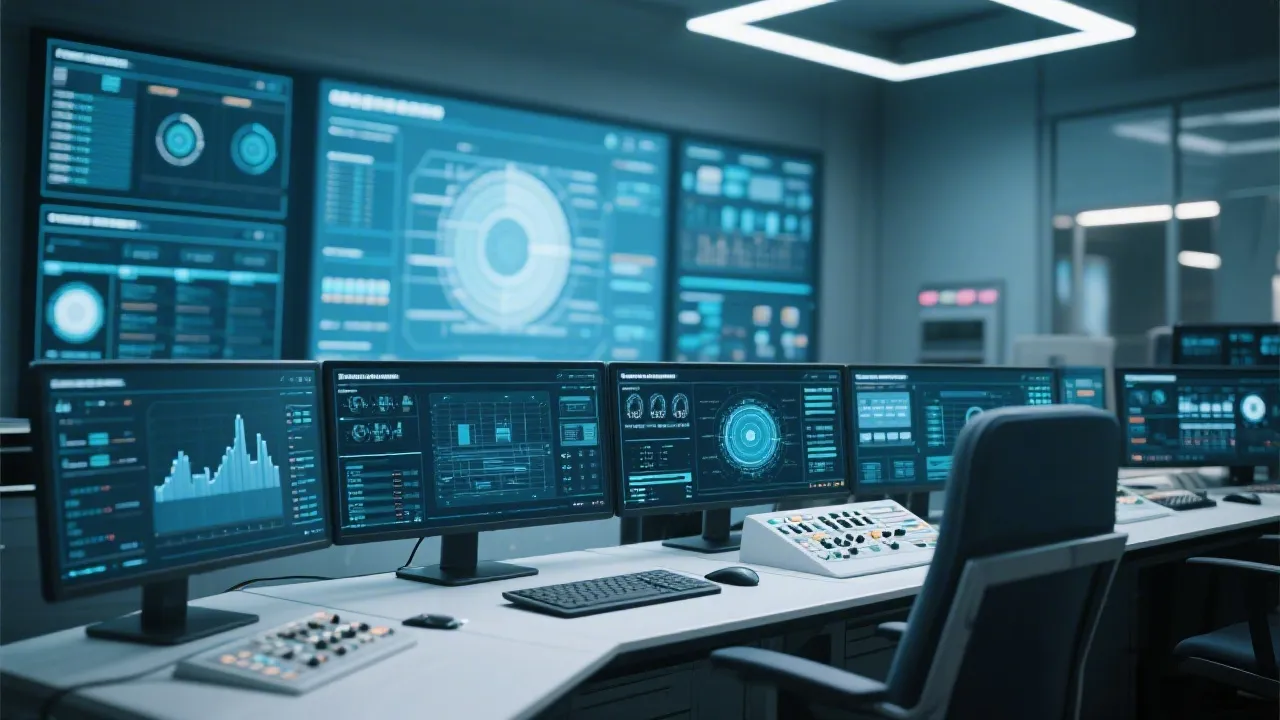
Understanding Ihm Scada Systems
Ihm Scada systems are integral to modern industrial automation, facilitating the monitoring and control of complex processes across various industries. These systems combine human-machine interface (HMI) technology with supervisory control and data acquisition (SCADA) to provide a seamless interface between operators and machinery, enhancing efficiency and safety.
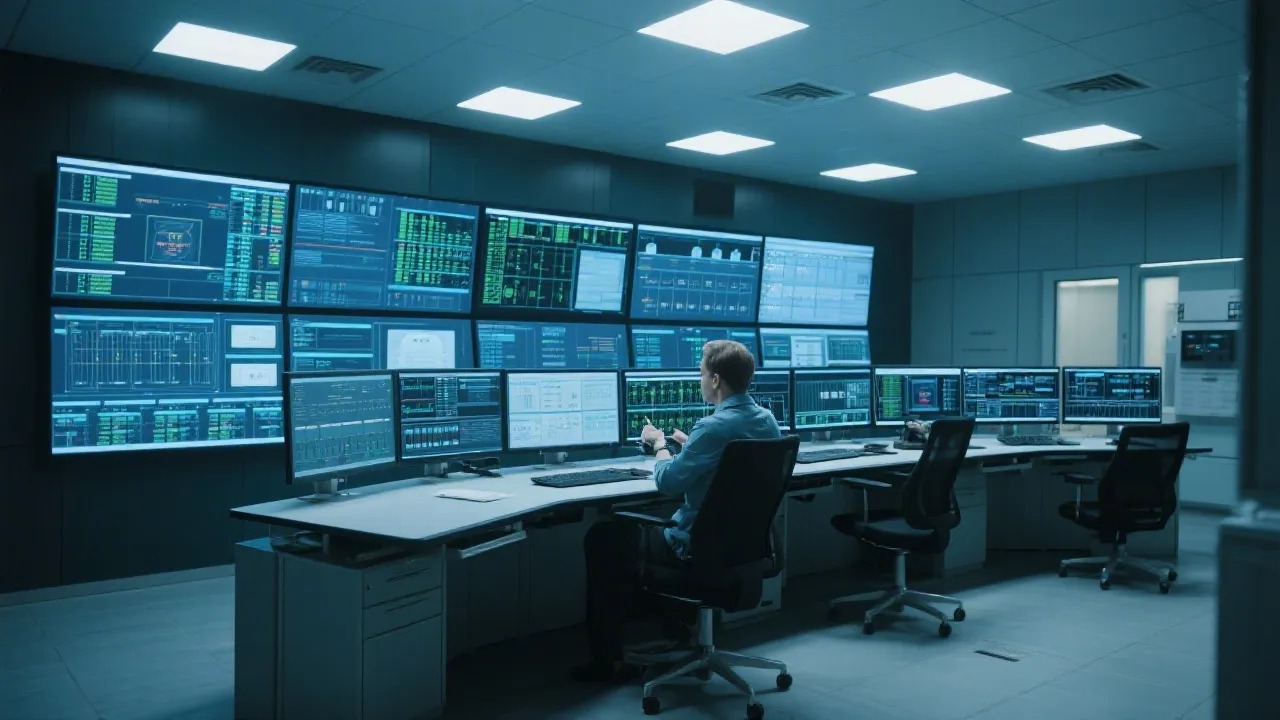
Introduction to IHM SCADA Systems
IHM SCADA systems represent the pinnacle of technological integration in industrial environments, offering unparalleled capabilities in monitoring, controlling, and analyzing data from complex machinery systems. As industries strive for greater efficiency and reliability, understanding the role and function of IHM SCADA becomes increasingly critical. In this digital age, the data-driven approach provided by SCADA systems allows organizations to optimize their processes while maintaining high operational standards. This interconnected landscape facilitates real-time decision-making based on data analytics, ultimately leading to improved productivity and reduced operational costs.
The Core Components of IHM SCADA
The IHM SCADA system comprises key elements that together form a robust network essential for industrial control:
- Human-Machine Interface (HMI): Serves as the user interface through which operators interact with the system. It converts complex machine data into comprehendible visual displays, aiding operators in making informed decisions. A well-designed HMI enhances user experience and operational safety by reducing the chances of human error during critical tasks.
- Supervisory Control: This component allows for overarching control of machines and processes, ensuring everything operates within desired parameters and responding to anomalies swiftly. Supervisory control plays a vital role in maintaining system stability, especially in high-stakes environments where any deviation can result in catastrophic failures.
- Data Acquisition: SCADA collects and stores vast amounts of data in real time, which can be analyzed for trends, ensuring predictive maintenance and strategic planning. The capability to gather data from various sensors and devices, from temperature gauges to pressure sensors, makes SCADA a versatile solution for many industries.
Industry Applications and Benefits
The adoption of IHM SCADA systems spans multiple industries, each benefiting uniquely:
- Manufacturing: Enhances production efficiency by streamlining operations and facilitating seamless interoperability between diverse machines. SCADA systems provide manufacturers with insights into production workflows, enabling them to identify bottlenecks and adjust processes dynamically to meet demand.
- Energy Management: Critical in optimizing the production and distribution of electricity by monitoring vital parameters across networks. SCADA systems enable energy companies to detect faults in transmission lines, optimize power generation sources, and maintain grid stability.
- Water Treatment: Ensures consistent quality and regulatory compliance through automated control and monitoring. SCADA systems optimize chemical dosing processes, track water quality metrics in real time, and facilitate regulatory reporting.
The utility of IHM SCADA is also prominent in sectors such as oil and gas, pharmaceuticals, and food processing, where precision and safety are paramount. In the oil and gas industry, for example, SCADA systems play a crucial role in monitoring the extraction, refining, and distribution processes, mitigating risks through early detection of leaks and equipment failures. Similarly, in the pharmaceutical sector, adherence to strict regulatory standards is enhanced through SCADA's capability to monitor environmental conditions critical for product safety and efficacy.
Challenges in Implementing IHM SCADA
Despite its advantages, integrating IHM SCADA systems poses several challenges:
- Integration Complexity: Aligning new systems with existing infrastructure can be complex and requires careful planning. Organizations must conduct thorough evaluations of their current systems, making certain that legacy systems can either be incorporated or gradually replaced by modern SCADA solutions.
- Cybersecurity Risks: As systems become interconnected, safeguarding against potential cyber threats becomes crucial. SCADA systems are often primary targets for cyberattacks due to their critical role in industrial operations. A breach could lead to severe disruptions, financial losses, and damage to the organization’s reputation.
- Cost: The initial investment and subsequent maintenance costs can be substantial, necessitating a thorough cost-benefit analysis. Companies must evaluate not only the direct costs of acquisition and implementation but also consider ongoing operational costs related to staff training, system upgrades, and cybersecurity measures.
A Comparison of IHM SCADA Providers
| Provider | Strengths | Features |
|---|---|---|
| Provider A | Advanced analytics capabilities | Real-time data processing, user-friendly interface, extensive reporting tools |
| Provider B | Robust security measures | Integrated cybersecurity protocols, strong technical support, comprehensive risk assessment tools |
| Provider C | Cost-effective solutions | Scalable architecture, simple integration process, budget-friendly maintenance options |
Choosing the right IHM SCADA provider is critical, as each comes with its unique advantages tailored to specific operational needs. For instance, Provider A focuses on leveraging data analytics to enhance decision-making capabilities, making it ideal for organizations that prioritize data-driven strategies. In contrast, Provider B emphasizes security features, which is vital for industries heavily regulated or susceptible to spear phishing attacks and other cyber threats. Provider C offers cost-effective solutions most suitable for small- to medium-sized enterprises looking to enhance their operational capabilities without overextending their budgets.
Frequently Asked Questions
What industries benefit the most from IHM SCADA systems?
Industries such as manufacturing, energy, water treatment, oil and gas, pharmaceuticals, and food processing extensively use IHM SCADA systems to optimize operations and ensure consistent output quality. Each sector leverages the technology to enhance efficiency, improve safety protocols, and ensure compliance with regulations.
Can IHM SCADA systems be customized?
Yes, IHM SCADA systems can often be customized to meet the specific needs of a business, tailored to handle various complexities and operational scales. Customization allows organizations to integrate existing machinery, maximize the use of historical data, and incorporate specific regulatory requirements pertinent to their industry, effectively creating a solution that fits like a glove.
How do these systems contribute to predictive maintenance?
By continuously acquiring and analyzing data, IHM SCADA systems can identify irregularities and predict potential failures, thus enabling timely maintenance actions. Predictive maintenance reduces downtime significantly, allowing organizations to shift from reactive to proactive maintenance strategies. By interpreting device performance and operational data, SCADA assists technicians in scheduling maintenance activities more effectively, preventing costly repairs and enhancing asset longevity.
What measures can an organization take to enhance the cybersecurity of their IHM SCADA system?
Implementing robust network security measures, regular software updates, and employee training are vital to safeguarding IHM SCADA systems against cyber threats. Organizations should also consider segmentation of networks to limit access, as well as employ intrusion detection systems (IDS) and firewalls to monitor unauthorized access attempts. Additionally, developing an incident response plan tailored to SCADA vulnerabilities can help mitigate the damage from potential attacks.
What future trends can we expect in the IHM SCADA industry?
The future of IHM SCADA systems is poised for revolutionary changes, influenced by advancements in technology such as artificial intelligence (AI) and the Internet of Things (IoT). Organizations will witness the integration of sophisticated AI algorithms that can enhance data processing capabilities and decision-making through predictive analytics. The use of IoT will further extend the reach of SCADA systems as they gather more extensive datasets from a growing number of connected devices. This convergence of technologies promotes not just operational efficiencies, but also enables organizations to innovate and adapt more rapidly to market changes, thus maintaining a competitive edge.
What role does workforce training play in the successful implementation of IHM SCADA systems?
Workforce training is fundamental to the successful implementation of IHM SCADA systems. Operators and maintenance staff must be adequately trained on system functionalities to effectively utilize the technology and respond to alerts. Regular training sessions should be conducted to keep staff updated on new features, best practices, and the latest cybersecurity protocols. Investing in workforce training fosters a culture of safety and responsiveness, which is crucial in operating complex systems successfully.
Conclusion
IHM SCADA systems are a cornerstone of modern industrial automation, offering invaluable insights and control over complex processes. As technology continues to evolve, so will the capabilities and applications of these systems, promising even greater efficiency and innovation in automated industrial processes. Organizations that proactively adopt and adapt to SCADA technology position themselves not only to improve operational efficiency but also to drive transformative changes across their industries. Embracing such advanced systems will ultimately be imperative for staying relevant in a rapidly changing technological landscape.
The Future of IHM SCADA
The landscape of IHM SCADA systems is shifting, driven by trends such as increasing connectivity, the adoption of cloud technologies, and an emphasis on data analytics. As industries embrace smarter manufacturing and automation practices, the future will also see a greater emphasis on user experience. Expect future systems to offer more intuitive interfaces, and whether via mobile or web-based applications, users will have instant access to real-time data wherever they are. This accessibility will enhance decision-making on the operational floor and beyond.
Furthermore, more organizations will invest in advanced analytics and machine learning applications that use historical and real-time data to automate processes, predict maintenance needs, and optimize the performance of their operations continuously. The combination of data from SCADA with artificial intelligence tools will empower organizations to implement exhaustive and predictive strategies.
A focus on sustainability will also drive developments in SCADA systems—especially in industries like energy and water management. As regulatory pressures grow, SCADA solutions will incorporate features and metrics that ensure compliance with environmental standards, contributing to greener operational practices.
In conclusion, the evolution of IHM SCADA systems is integral to the future of industrial operations. Their role as central command centers for monitoring and control makes them invaluable in the quest for efficiency, safety, and sustainability. As organizations invest in these systems, they pave the way for a future that not only anticipates challenges but also embraces innovations to ensure ongoing success.