
Ihm Scada in Industrial Automation
Ihm Scada plays a crucial role in industrial automation, providing robust solutions for monitoring and controlling complex systems. Understanding its functionalities and benefits can transform industrial operations. This article delves into the significance of Ihm Scada, offering a comprehensive analysis of its applications, integration methods, and impactful role in enhancing productivity and efficiency.
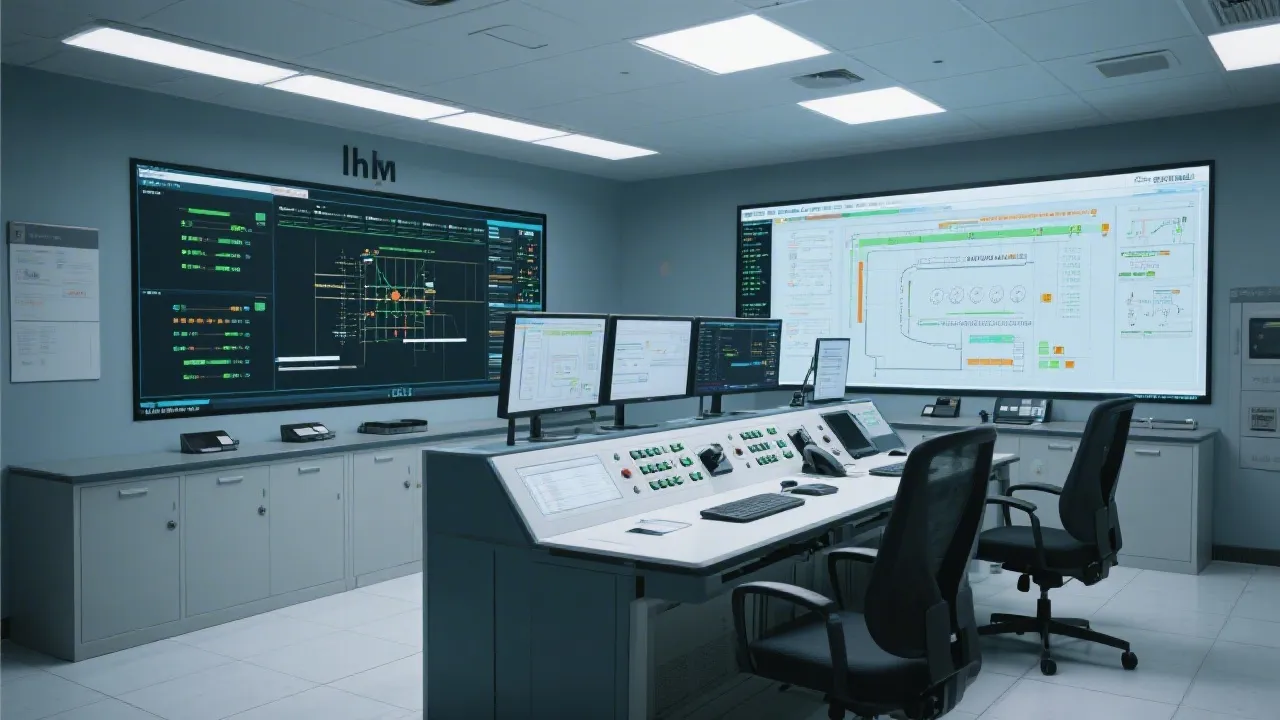
Introduction to Ihm Scada
In the realm of industrial automation, Ihm Scada (Supervisory Control and Data Acquisition) stands out as a pivotal technology. It encompasses software and hardware elements that allow industrial organizations to gather, control, and monitor real-time data from diverse systems at multiple locations. With its crucial functionalities, it facilitates enhanced productivity, efficiency, and safety in various sectors. Ihm Scada is not just about monitoring; it’s about creating a digital ecosystem where data drives decisions, leading to improved operational performance on many levels.
The Evolution of Ihm Scada
Ihm Scada systems have evolved significantly over the past few decades. Originally, industrial operators relied on manual switches and buttons to control machinery. This outdated method posed numerous challenges, including human error and inefficiency in data handling. As technology advanced, automated control systems emerged, leading to the development of sophisticated Ihm Scada solutions. Today, these systems integrate seamlessly with the Internet of Things (IoT) and cloud computing, offering unparalleled control and monitoring capabilities.
The transition from simple control systems to advanced Ihm Scada solutions illustrates a significant paradigm shift in industrial operations. The introduction of graphical user interfaces enabled operators to visualize processes more intuitively. Moreover, with the ability to connect multiple sites and collect large volumes of data, organizations have started to embrace data analytics, leading to optimization and better decision-making processes.
Key Features and Benefits
The advantages of implementing Ihm Scada in industrial settings are substantial. These systems provide real-time monitoring, allowing operators to detect and rectify issues promptly. This proactive approach prevents minor problems from escalating into major failures, which can be costly in terms of both finances and operational downtime. The comprehensive data collection enables predictive maintenance, reducing downtime and operational costs. Furthermore, by continuously analyzing data trends, organizations can schedule maintenance only when required rather than adhering to rigid schedules, which can be wasteful.
Additionally, the integration with modern technologies ensures that operators are informed of market trends, enhancing decision-making processes. This ability to adapt quickly to market changes can give businesses a competitive edge, allowing for rapid responses to both opportunities and challenges in the market landscape. The implementation of Ihm Scada systems leads to enhanced regulatory compliance as the detailed historical data can be used for reporting purposes, ensuring adherence to industry standards and improving overall transparency.
Components of Ihm Scada Systems
An Ihm Scada system comprises several components, each performing distinct but interconnected functions:
- Human-Machine Interface (HMI): This is the user interface that presents data to operators, allowing them to interact with the machine controls. It serves as a vital communication link between human operators and the machines they manage, making it crucial for maintaining an intuitive and user-friendly experience.
- Supervisory System: It collects data and sends commands to control the entire process. This component ensures that every part of the process operates harmoniously, offering a holistic view of operations that enhances system management.
- Remote Terminal Units (RTUs): These are microprocessor-controlled electronic devices that interface with physical equipment. They communicate operational data back to the supervisory system, providing critical information for analysis and management decisions.
- Programmable Logic Controllers (PLCs): A crucial component that aids in controlling machinery by automating processes related to timing, sequencing, and counting. PLCs are essential in ensuring precision and reliability in production processes.
- Communication Infrastructure: Reliable networks and protocols that facilitate data exchange between different components are vital for seamless operation. This infrastructure ensures that all data flows effortlessly between the supervisory system, HMI, RTUs, and PLCs, maximizing system efficiency.
The intricate interplay between these components forms the backbone of an Ihm Scada system, ensuring that data is accurately gathered, processed, and utilized for operational excellence.
Industries Benefiting from Ihm Scada
Various industries rely on Ihm Scada due to its adaptability and efficiency. Key sectors include:
- Utilities: Power and water management operations leverage Ihm Scada for monitoring and controlling the distribution and flow, ensuring consistent service. They utilize these systems to manage real-time data feeds for monitoring grid stability and optimizing resource allocations.
- Manufacturing: From assembly lines to packaging, Ihm Scada optimizes manufacturing processes, enhancing productivity and quality control. Real-time tracking of production metrics allows manufacturers to adjust workflows dynamically, thereby maximizing throughput and minimizing waste.
- Oil and Gas: In the energy sector, these systems monitor pipelines and refineries, maintaining safety and efficiency in operations. The high stakes of this industry make real-time data monitoring essential for preventing leaks, spills, and other hazardous events.
- Transportation: By managing traffic signals, rail systems, and logistic operations, Ihm Scada supports smooth transportation infrastructure. This sector relies on the timely reception of data for operational adjustments to traffic management systems, enhancing safety and reducing congestion.
- Food and Beverage: Food manufacturers utilize Ihm Scada to monitor production processes, ensure food safety, and maintain compliance with stringent regulations. The ability to trace ingredients and monitor environmental conditions during production is crucial in this industry to avoid contamination and ensure product quality.
- Pharmaceuticals: In pharmaceuticals, Ihm Scada is critical for maintaining strict control over manufacturing processes with compliance to Good Manufacturing Practices (GMP). Real-time monitoring of conditions such as temperature and humidity plays a fundamental role in ensuring product integrity and safety.
Each of these industries demonstrates how Ihm Scada systems are tailored not only to meet unique challenges but also to enhance overall operational efficiency, thereby driving significant improvements in productivity and profitability.
Implementing Ihm Scada: Top Practices
Proper implementation of Ihm Scada systems is crucial for maximizing benefits. Here are key steps to ensure successful deployment:
- Needs Assessment: Start by clearly defining the objectives and the specific processes that require automation and monitoring. This analysis should involve stakeholders from various departments to ensure a comprehensive understanding of the operational landscape and the specific challenges faced.
- Selecting the Right Technology: Choose systems and components that align with the operational needs and future scalability. It is vital to consider not only current requirements but also potential changes in production practices and market demands that may necessitate further enhancements to the system.
- Integration with Existing Systems: Ensure that the new Ihm Scada system integrates seamlessly with current technologies for a unified operation. This may require adjustments to existing workflows and processes, ensuring that all systems can communicate and share data effectively.
- Training and Support: Comprehensive training for operators and regular system maintenance are essential to maximize system efficacy. Ensuring that staff are proficient in using the Ihm Scada system will lead to better decision-making and process management, while ongoing support will help quickly address any issues that arise.
- Regular Monitoring and Evaluation: Once the system is implemented, continuous monitoring and evaluation are necessary to assess performance metrics and gather feedback from operators. This will help identify areas for improvement and optimize system configurations for better output.
- Cybersecurity Considerations: With increased connectivity and data reliance, protecting the Ihm Scada system from cyber threats is paramount. Implementing robust cybersecurity measures, including firewalls, encryption, and regular system updates, will ensure the integrity and security of data.
- Scalability Planning: Always consider future needs and potential growth when implementing an Ihm Scada system. The architecture should allow for easy upgrades and the addition of new functionalities as the organization evolves.
Current Trends and Future Directions
The future of Ihm Scada is closely tethered to technological advancements. Integration with artificial intelligence and machine learning is set to revolutionize data analytics capabilities, allowing for deeper insights and automated problem-solving based on historical data patterns.
Additionally, cybersecurity enhancements are necessary to protect complex infrastructures. As industries digitize their operations further, they must also safeguard against increasingly sophisticated cyber threats, making security a cornerstone in future Scada designs.
The rise of edge computing offers new possibilities for real-time data processing closer to the source, reducing latency and improving response times. Edge computing allows for instant decision-making, which is critical in industries such as manufacturing and energy where time is often of the essence.
Furthermore, the role of cloud computing is expanding in Ihm Scada applications. By utilizing cloud technologies, organizations can experience scalable storage, enhanced computational power, and greater flexibility in managing their data. This not only improves the performance of existing systems but also enables organizations to leverage big data analytics and IoT connectivity for smarter operations.
Lastly, the sustainability trend is redefining the operational goals of industries. Ihm Scada systems have begun to incorporate metrics related to environmental impact, helping organizations track their carbon footprints and resource consumption. As businesses prioritize sustainability, the ability to monitor and analyze these factors will become increasingly important.
FAQs
- What are the main functions of Ihm Scada? Ihm Scada primarily gathers, analyzes, and displays real-time data, while also controlling industrial processes remotely. It plays a vital role in ensuring efficiency, safety, and regulatory compliance.
- Can Ihm Scada be customized? Yes, Ihm Scada systems can be customized to suit specific industrial needs and to enhance user interface functionalities. Customization can include user experience design and configurable dashboards that meet various operational requirements.
- Is Ihm Scada secure? Modern Ihm Scada systems incorporate advanced cybersecurity measures, though continuous updates and monitoring are essential to mitigate potential threats. Organizations must remain vigilant against emerging threats and invest in security training for employees.
- How does predictive maintenance work within an Ihm Scada system? Predictive maintenance utilizes data collected over time to forecast when equipment may fail or require servicing. This data-driven approach allows companies to schedule maintenance before failures occur, reducing unexpected downtime.
- What impact does IoT have on Ihm Scada systems? The integration of IoT in Ihm Scada provides enhanced data collection and improved communication between devices, allowing for granular insights into operational systems and enabling more proactive management strategies.
As industries continue to evolve, the integration of Ihm Scada systems becomes imperative. Their potential to enhance operational efficiency, reduce costs, and optimize processes cannot be overstated. By understanding and implementing the top practices of Ihm Scada, industries can propel themselves towards a more productive and innovative future. The advantages that come with advanced monitoring and control capabilities will ensure that organizations not only survive but thrive in the competitive landscape of the modern industrial world.